
Void Filling & Grouting
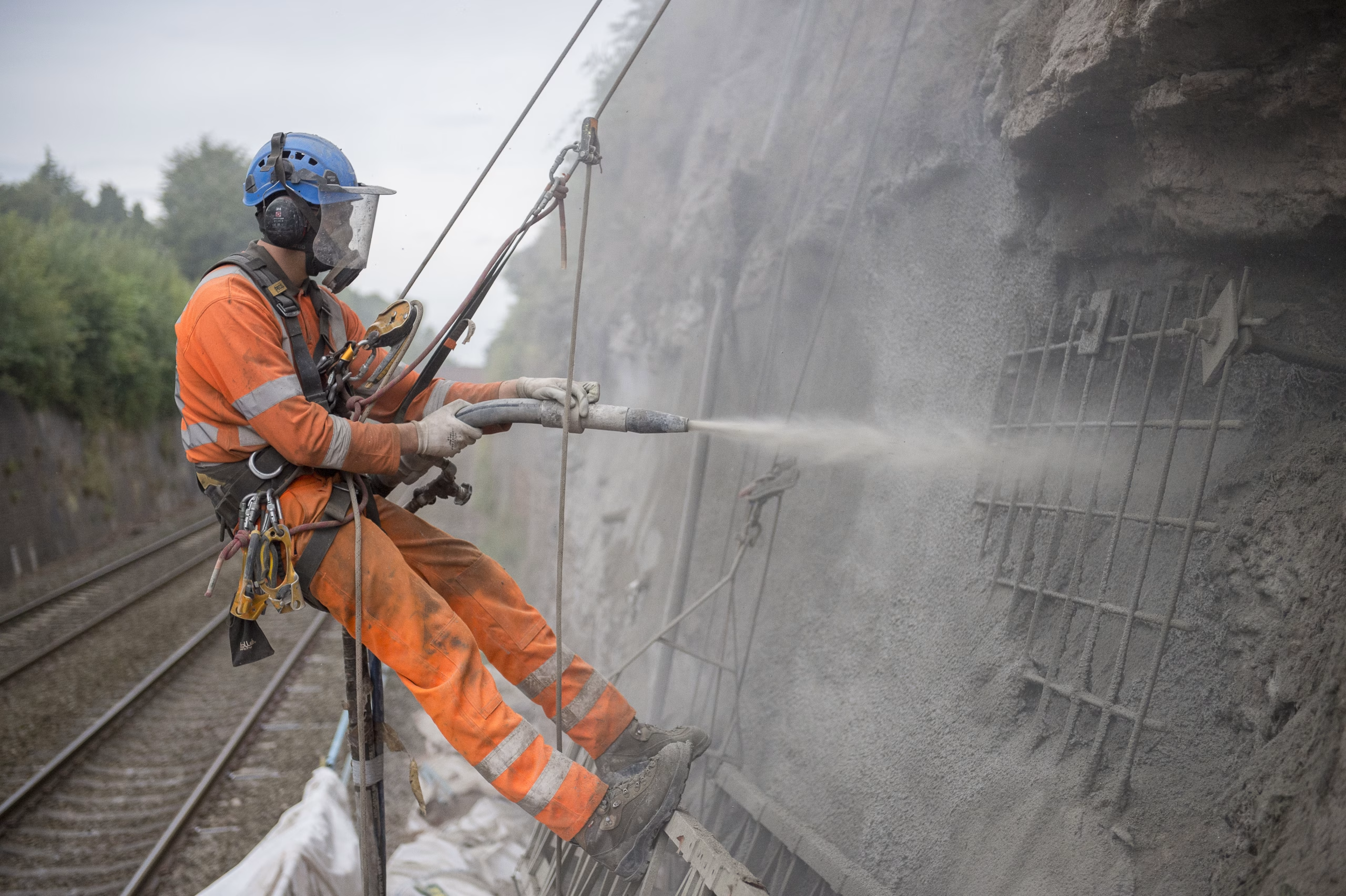
What is Void Filling and Grouting?
Voids within geotechnical structures or made ground can lead to long‑term stability issues if left untreated. These voids may arise from natural or man‑made features such as cavities, caves, culverts, or from poorly compacted fill and ground deterioration over time.
How does the process work?
Large Areas
Where large voids are present, bulk void filling provides an effective means of restoring ground integrity and reducing the risk of ongoing settlement or instability. Where practicable, non‑entry methods such as drilling and pressure grouting are always considered first to minimise risk to personnel.
In some circumstances, void filling may require physical access to allow inspection, preparation, or controlled placement of materials. In these cases, work is carried out by highly trained confined‑space operatives, experienced in managing high‑risk environments safely and efficiently.
Small Areas
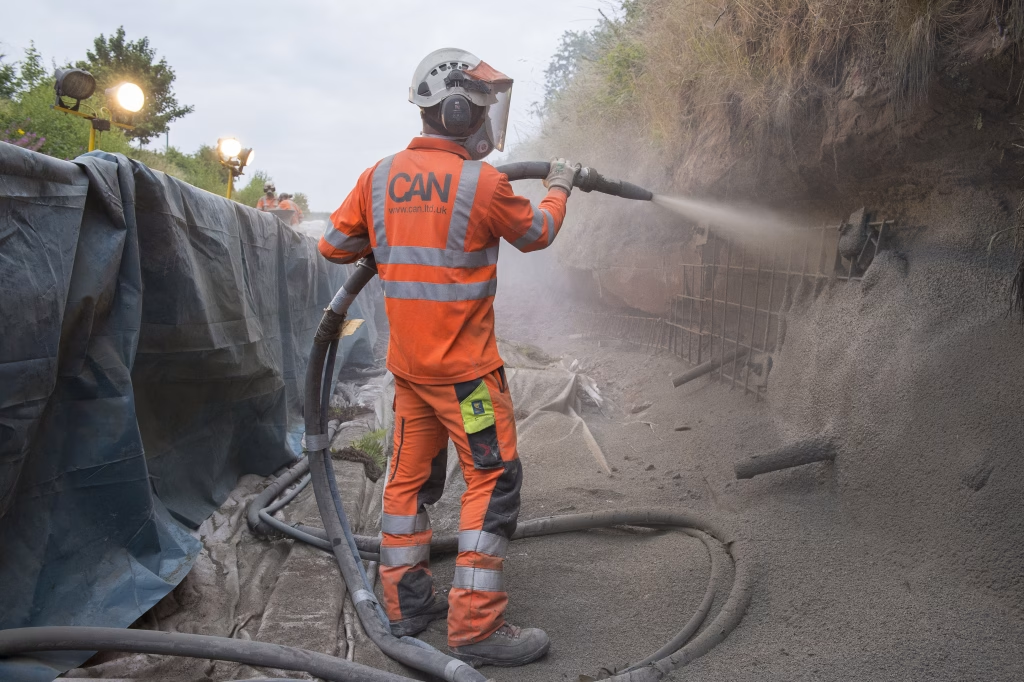
For smaller voids or areas of loosely compacted ground, drilled injection techniques are commonly used to introduce cementitious grouts into voids and discontinuities. Depending on design requirements, alternative materials such as sand‑cement mortars or gravels may also be employed.
We provide a fully integrated service, from initial assessment and design through to installation, materials testing, and ongoing inspection, monitoring, and maintenance. This end‑to‑end approach allows potential future issues to be identified and mitigated early, helping to ensure the long‑term stability and performance of the site.

Case Studies
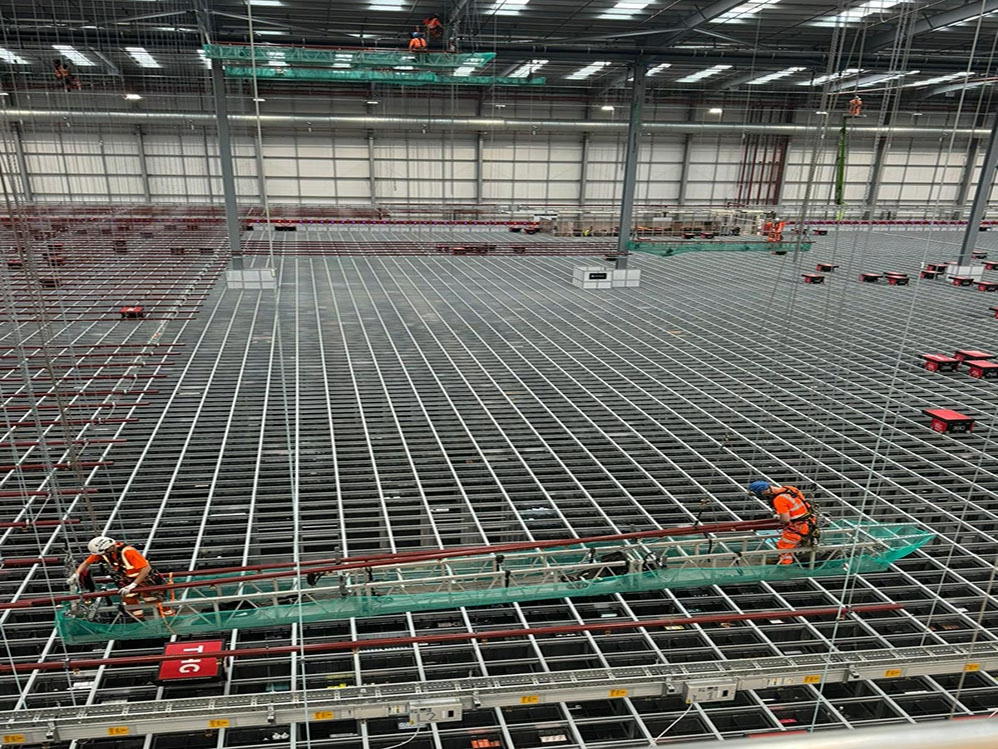
ICON 2 – Sprinkler System
CAN Structures was contracted to install a supplementary sprinkler system to 19,600sqm of ceiling above an operational automated retrieval system…
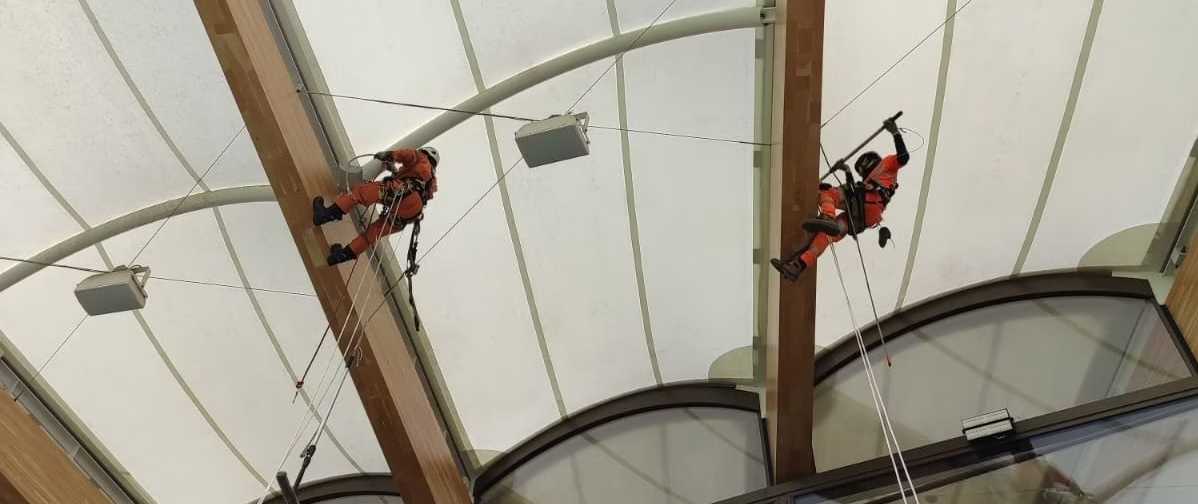
Specialist clean-up crew gets bird’s-eye view of Lord’s Cricket Ground
Client: Lord’s Cricket Ground Location: London Duration: 1 Week Rope access specialists from CAN, an RSK company, have been…
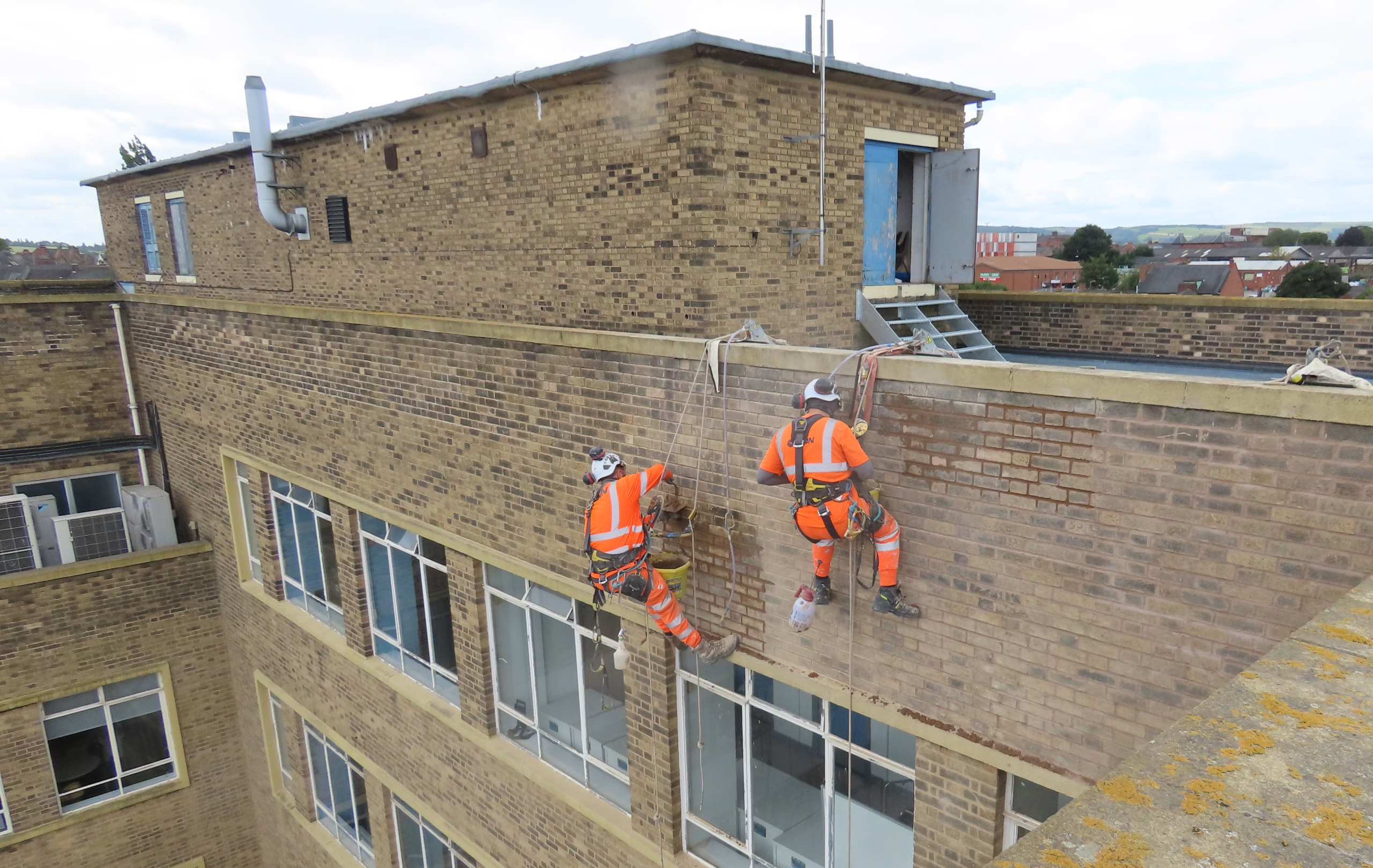
Chesterfield College – Repointing
CAN Structures was instructed with the cleaning, by biocide application, and remedial repointing of 200sqm of brick parapet wall at Chesterfield…