
Rockfall Bolting & Netting
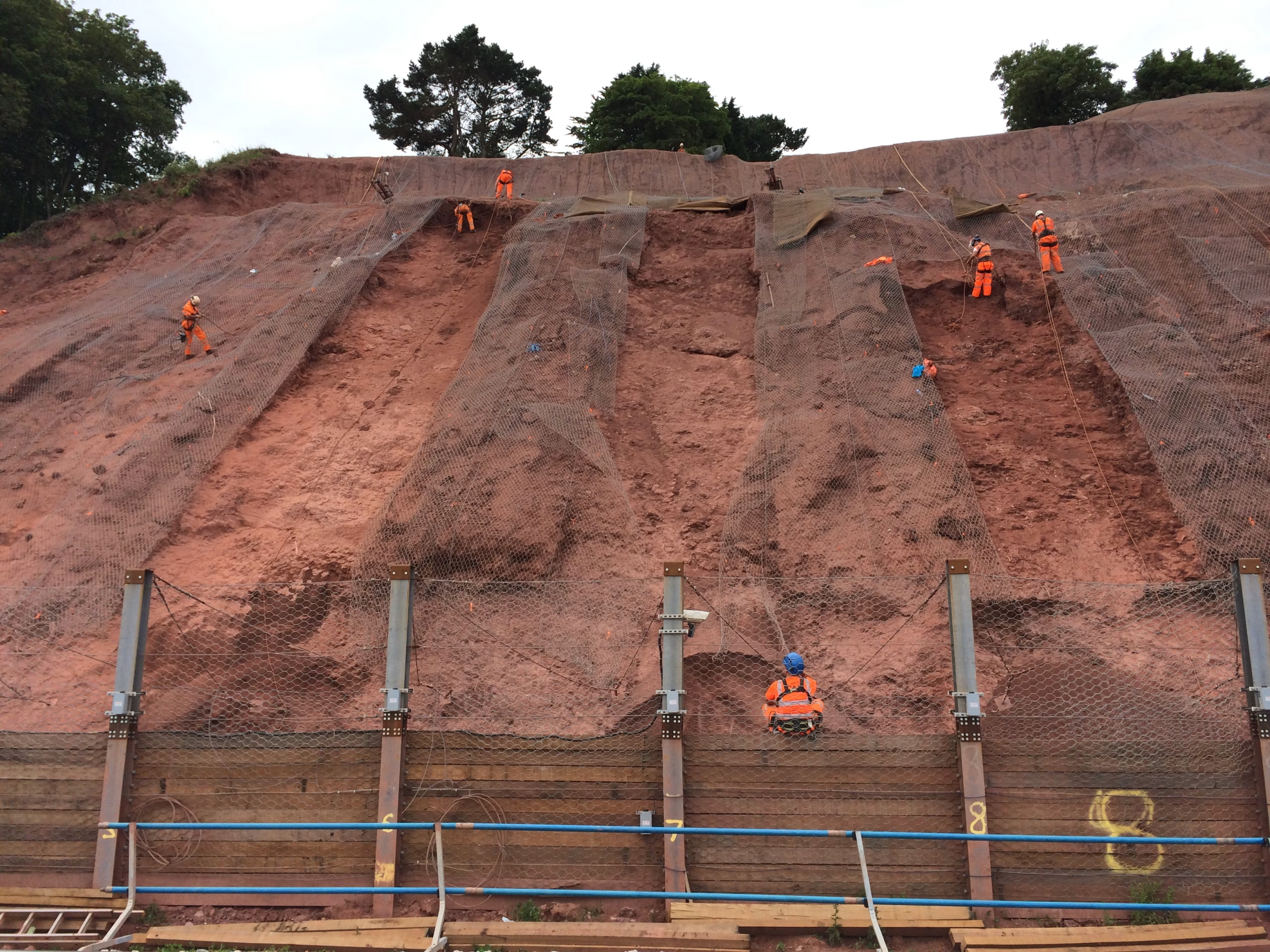
Rock bolting and rockfall netting systems work together to protect the surrounding environment
What is Rockfall Bolting and Rockfall Netting?
Rockfall containment can be supported by bolting and netting to protect the surrounding environment.
Rockfall netting systems are generally categorised as active or passive, depending on how they interact with the rock face and control instability.
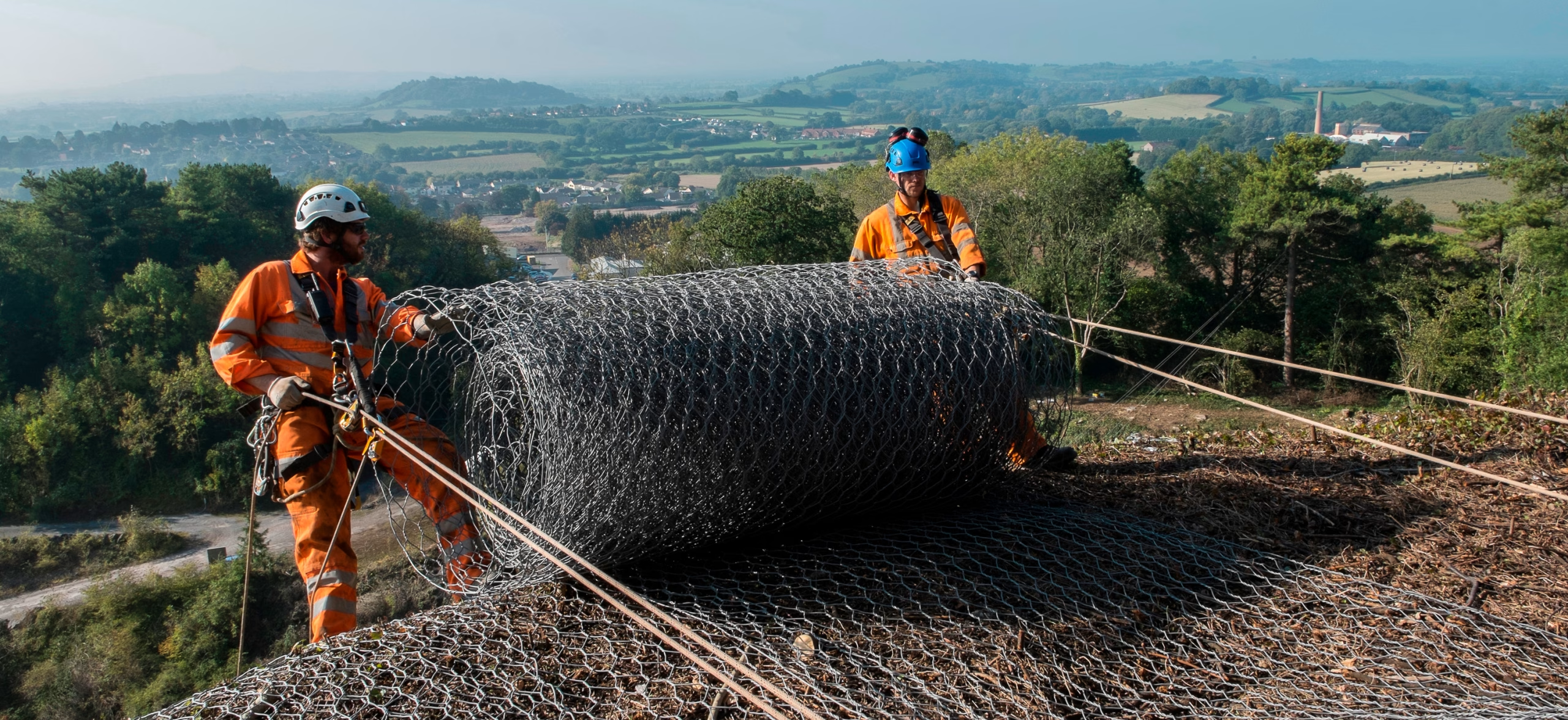
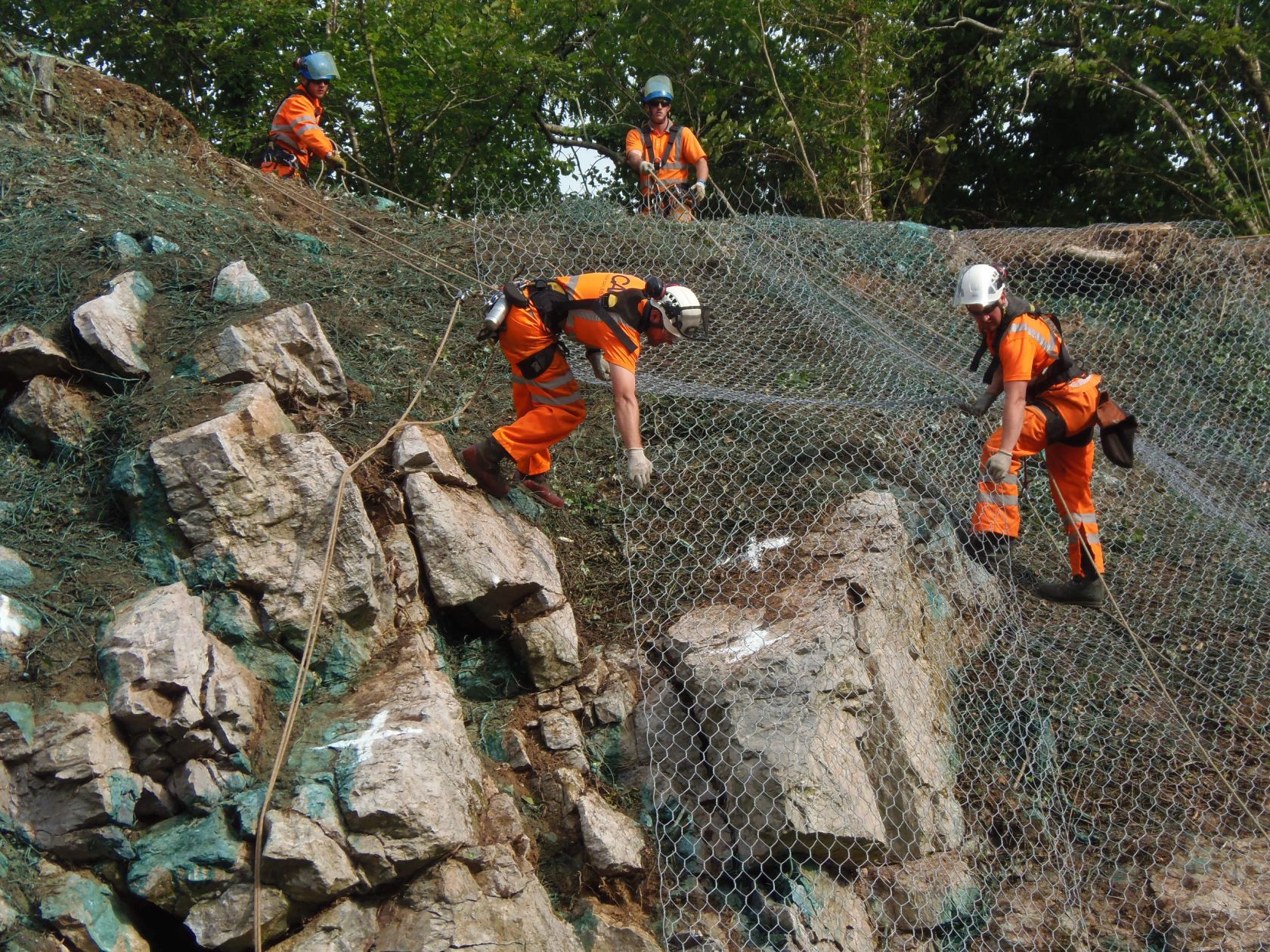
Passive netting systems are typically anchored at the crest and toe of the slope using rock bolts or dowels. These systems allow loose material to detach and fall behind the mesh, where it is retained and collected at the base for periodic removal.
Active mesh systems comprise high‑tensile steel mesh that is tensioned directly against the rock face, restraining surface material and preventing detachment. While these systems are more complex and generally more costly to install, they offer significant advantages in terms of controlling small‑scale instability, reducing ongoing maintenance, and limiting debris accumulation.
A wide range of mesh systems is available, with differing strength characteristics, deformation behaviour, and corrosion protection levels.
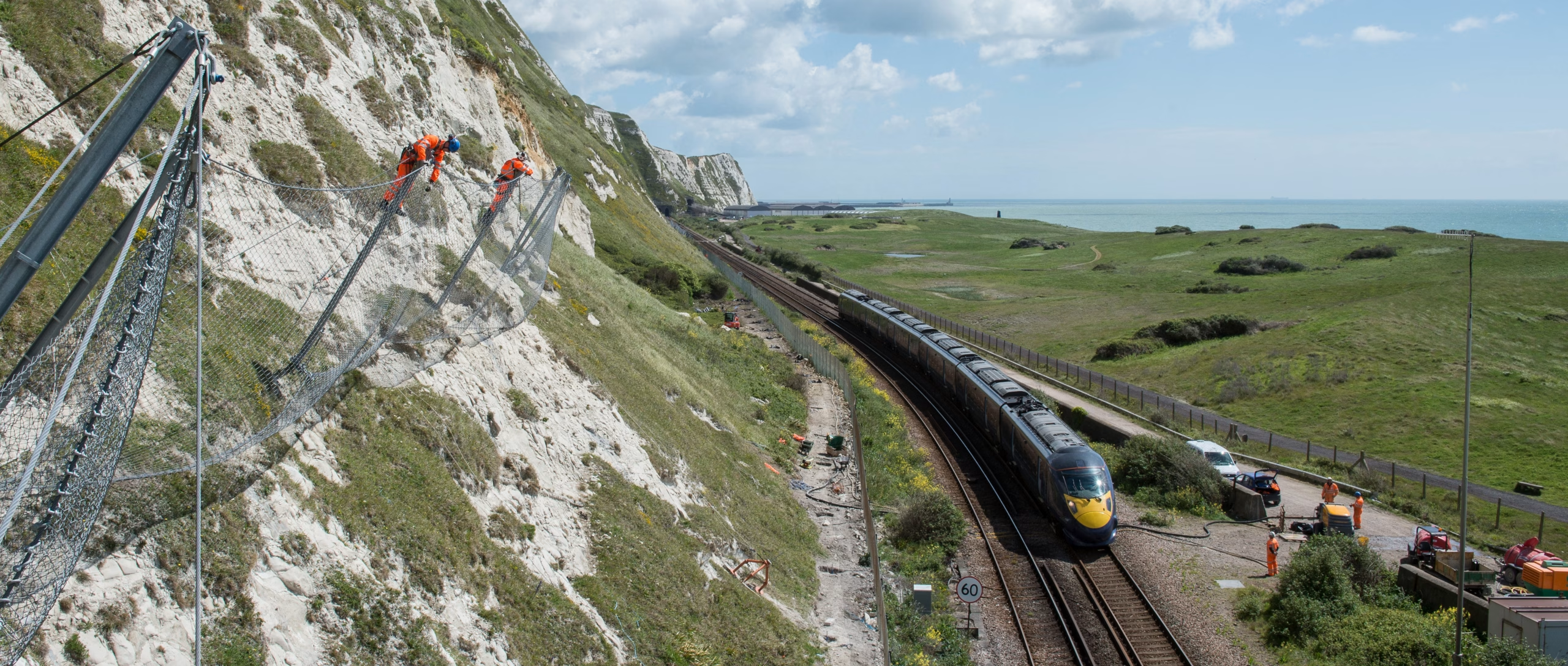
These considerations are particularly important in restricted environments, such as adjacent to roads, railways, buildings, or pedestrian routes, where controlled deformation and minimal encroachment are essential.
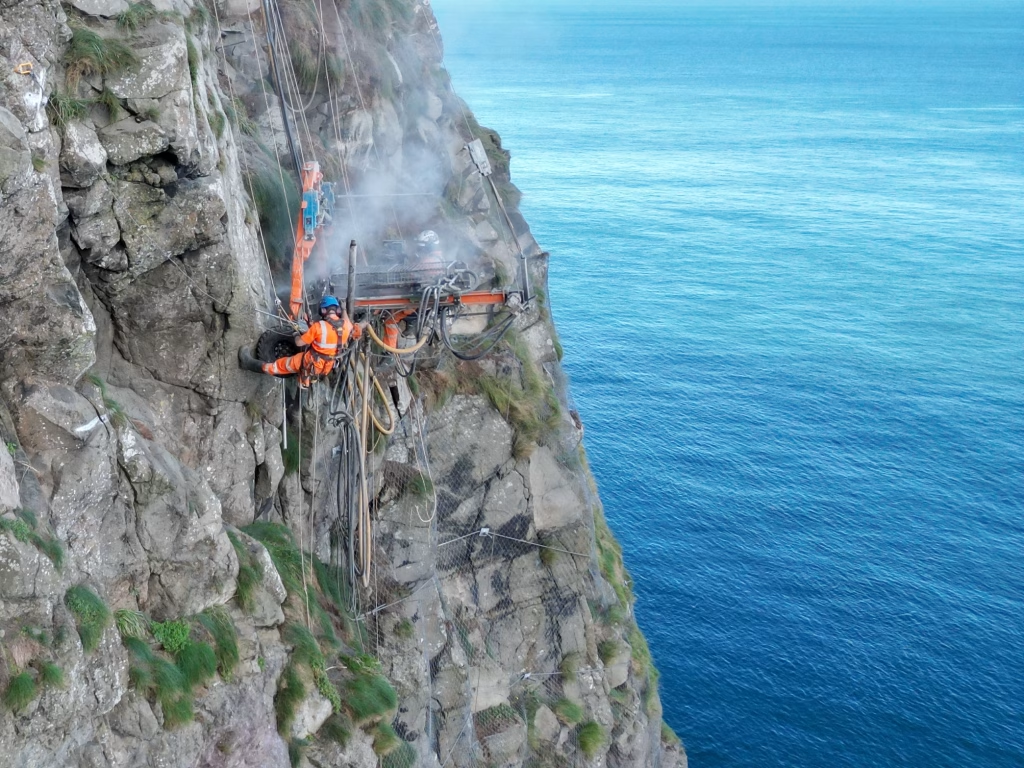
How are they installed?
Rockfall netting systems are often supplemented with additional stabilisation measures, including:
- Targeted rock bolts, dowels, or anchors installed to restrain individual blocks
- Steel wire rope straps used to secure larger or discrete features
- Sprayed concrete or masonry dentition, where additional localised support or protection is required
At CAN Geotechnical, we install a wide range of bolt and anchoring systems using a variety of access and plant solutions, including:
- Excavator rigs
- Telehandlers
- Lightweight, suspended A‑frame drilling rigs for difficult‑to‑access locations
Rock bolts typically consist of threaded steel tendons, fixed using cementitious or resin grout and fitted with headplates bearing against the rock surface. Where visual impact is a concern, exposed plates and steelwork can be finished or painted to blend with the surrounding rock face.
Case Studies
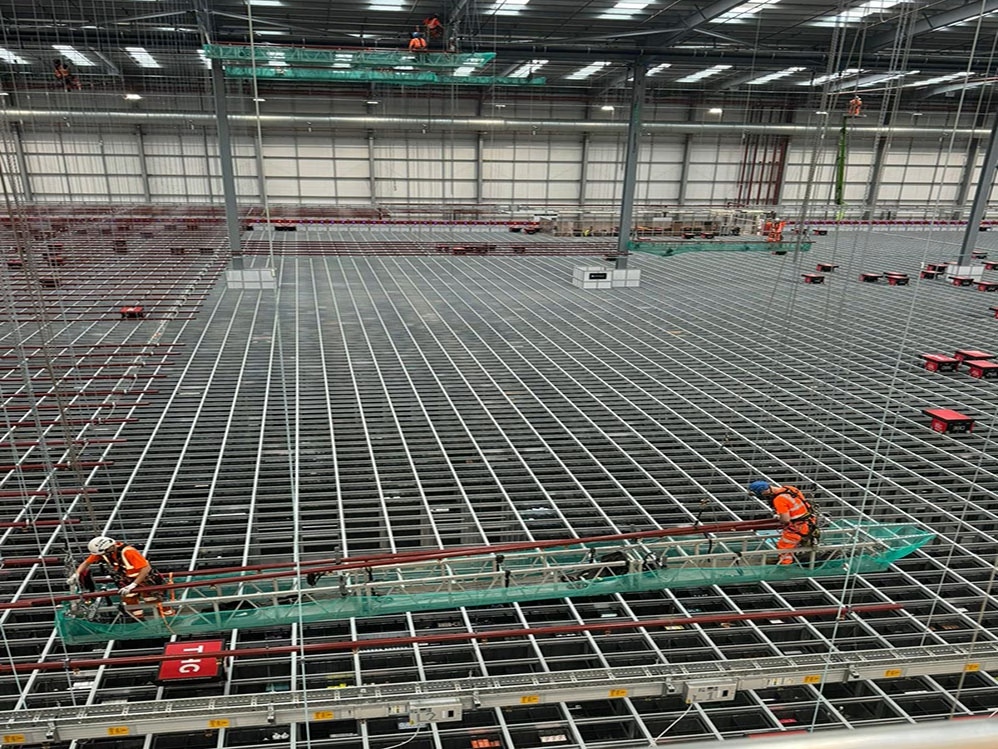
ICON 2 – Sprinkler System
CAN Structures was contracted to install a supplementary sprinkler system to 19,600sqm of ceiling above an operational automated retrieval system…
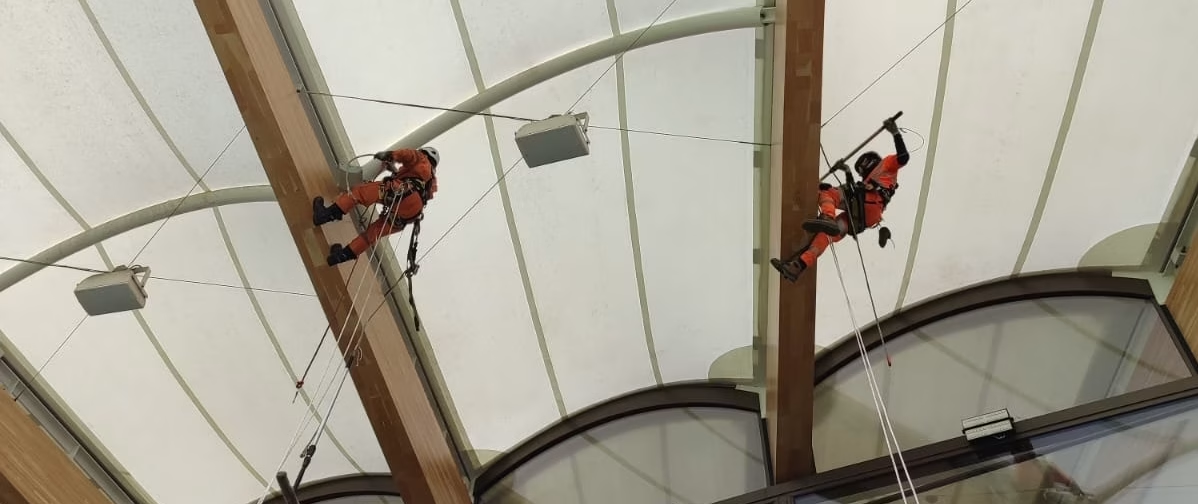
Specialist clean-up crew gets bird’s-eye view of Lord’s Cricket Ground
Client: Lord’s Cricket Ground Location: London Duration: 1 Week Rope access specialists from CAN, an RSK company, have been…
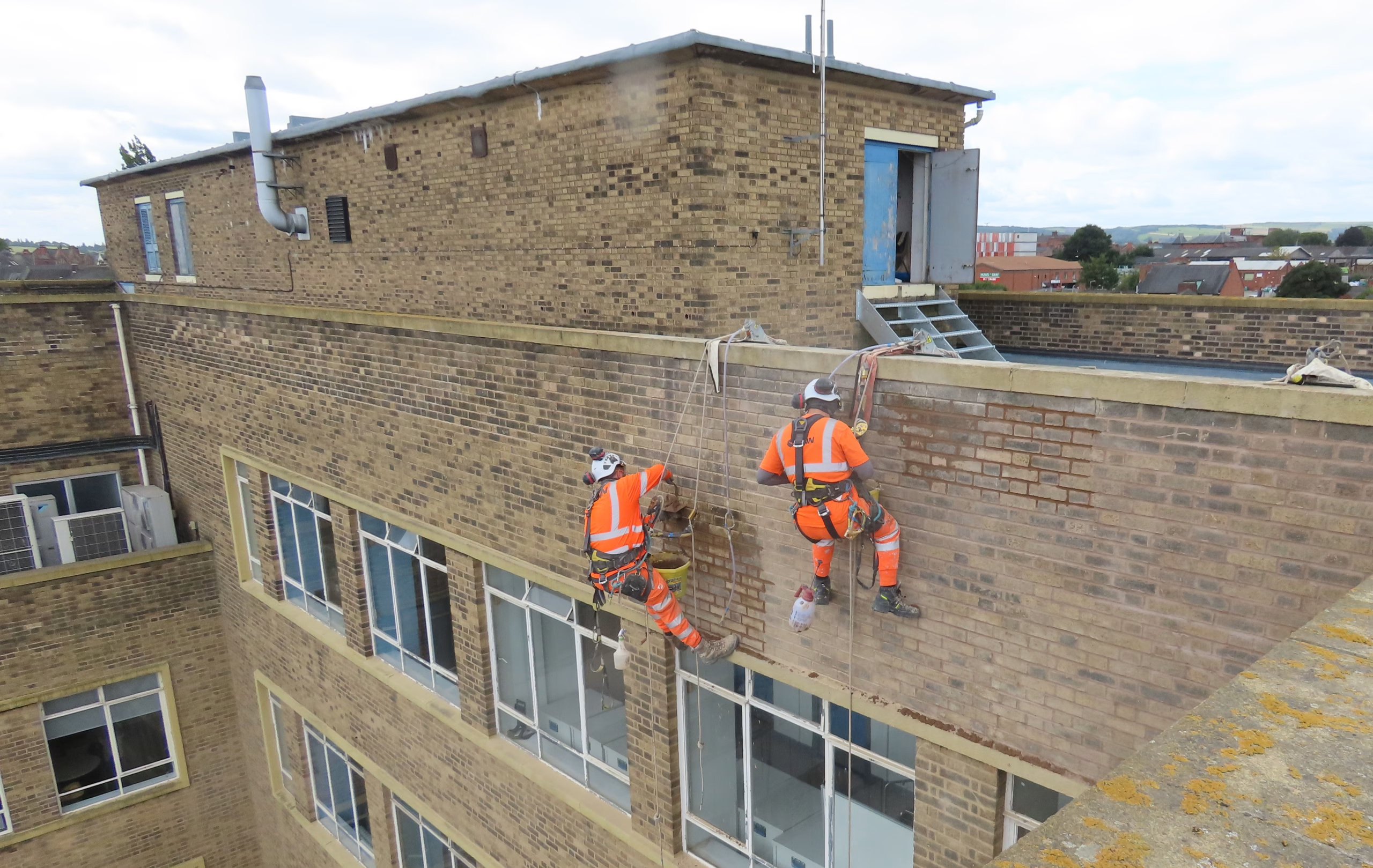
Chesterfield College – Repointing
CAN Structures was instructed with the cleaning, by biocide application, and remedial repointing of 200sqm of brick parapet wall at Chesterfield…