
Devegetation
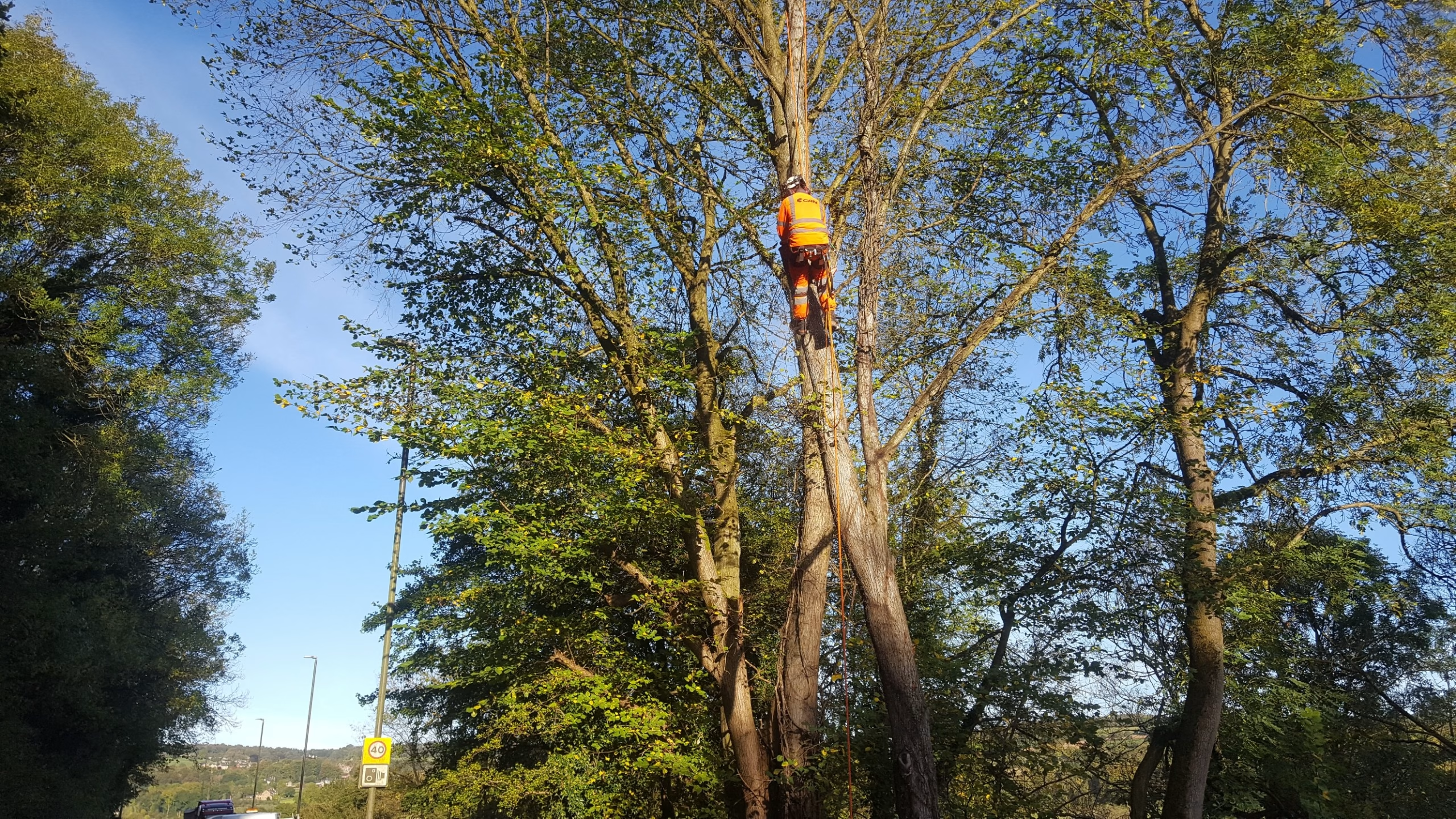
Vegetation clearance usually leads to a more stabile site.
What is De-vegetation?
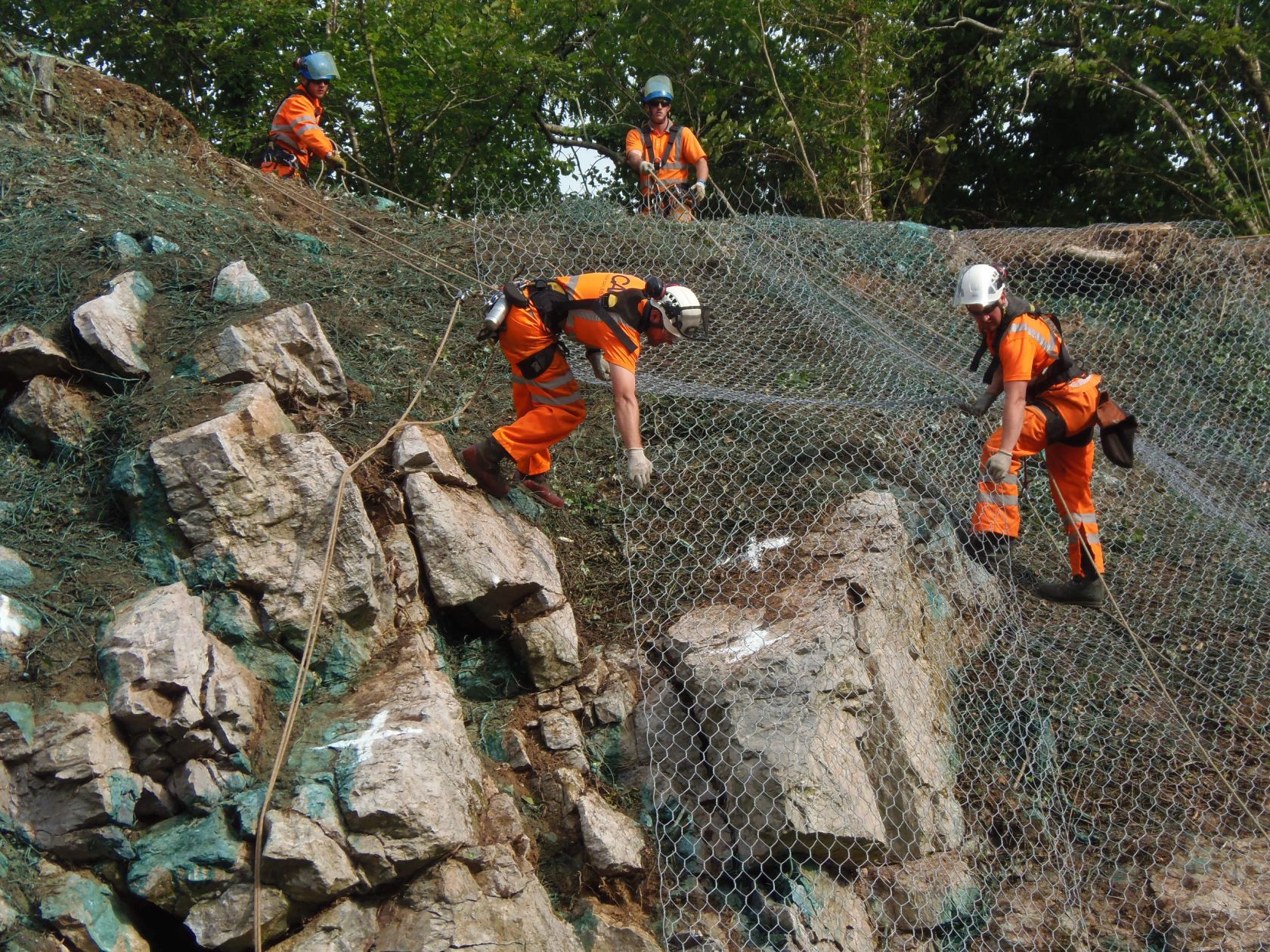
Appropriate de-vegetation management can significantly improve site stability and access, particularly where growth is contributing to ground movement or obscuring inspection.
Vegetation can be a mixed influence on geotechnical structures. In some situations – particularly on rock faces – root systems and vegetation loading can contribute to instability. In other cases, such as soil slopes, established vegetation can play a beneficial role in erosion control and surface stability.
CAN also identifies and manages invasive plant species, providing appropriate treatment solutions. Where required, we work with ecological specialists within the RSK Group to support vegetation management strategies and ensure compliance with environmental considerations.
How does the de-vegetation process work?
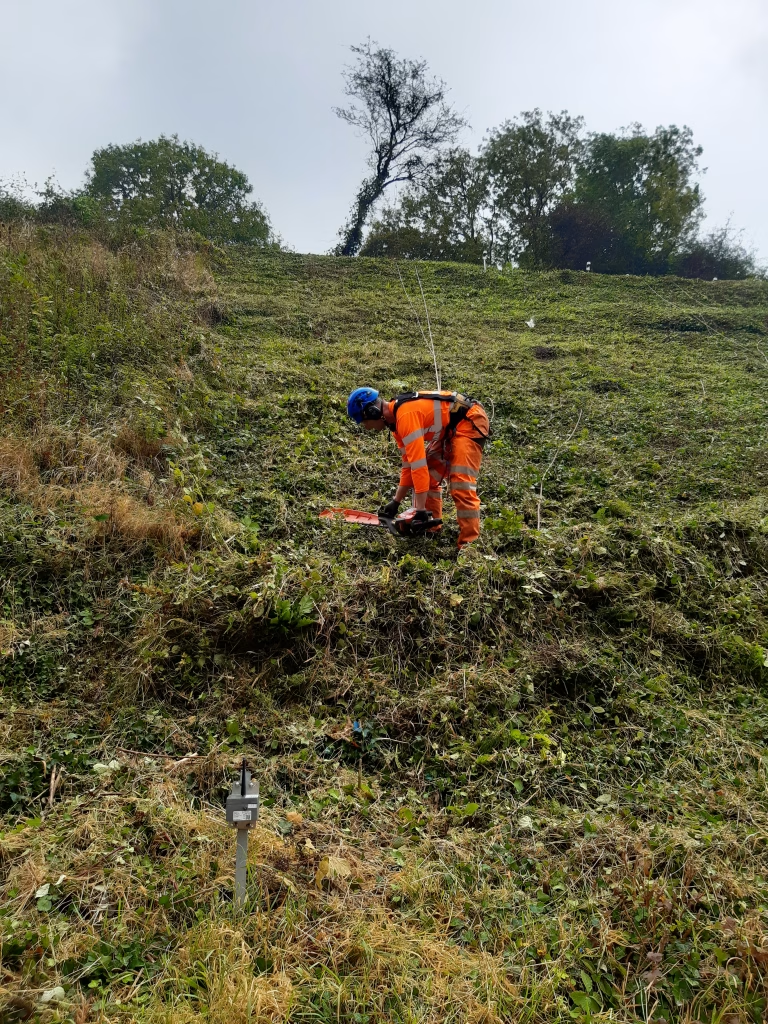
De-vegetation works are undertaken using a range of access methods, including MEWPs, excavator‑mounted attachments, and rope access techniques, with CAN holding LANTRA‑qualified tree‑climbing capability. Where appropriate, we also collaborate with sister companies to deliver robotic slope clearance solutions.
To facilitate safe access and enable stabilisation works, vegetation often requires partial or full removal, a process referred to as de‑vegetation.
- Where vegetation is contributing to instability, trees and shrubs may be treated with targeted herbicides to prevent regrowth.
- Where retaining vegetation is beneficial, a minimally disruptive approach is adopted, working around existing trees and plants wherever practicable.
Following completion of works, the responsible reinstatement of vegetation is carefully considered and can be advised upon. In many cases, reinstatement provides an opportunity not only to improve long‑term slope stability but also to enhance site security, ecological value, and visual appearance.
Case Studies
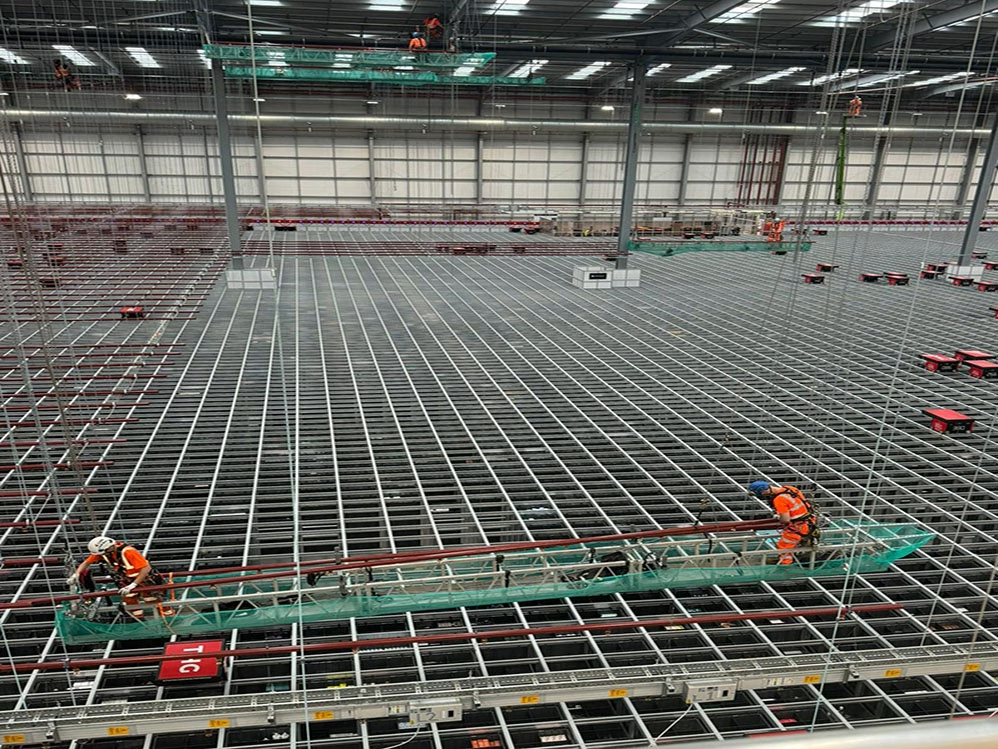
ICON 2 – Sprinkler System
CAN Structures was contracted to install a supplementary sprinkler system to 19,600sqm of ceiling above an operational automated retrieval system…
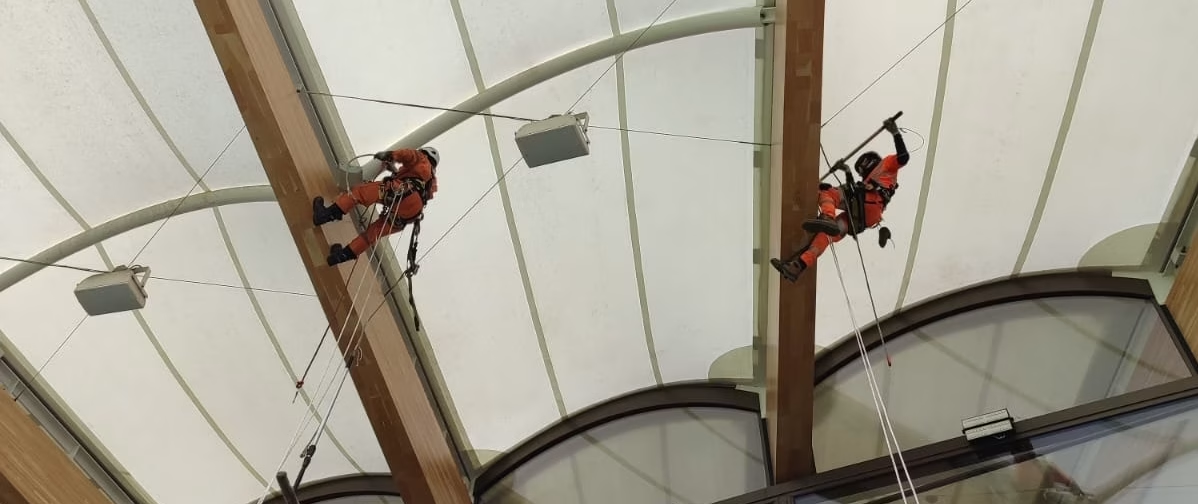
Specialist clean-up crew gets bird’s-eye view of Lord’s Cricket Ground
Client: Lord’s Cricket Ground Location: London Duration: 1 Week Rope access specialists from CAN, an RSK company, have been…
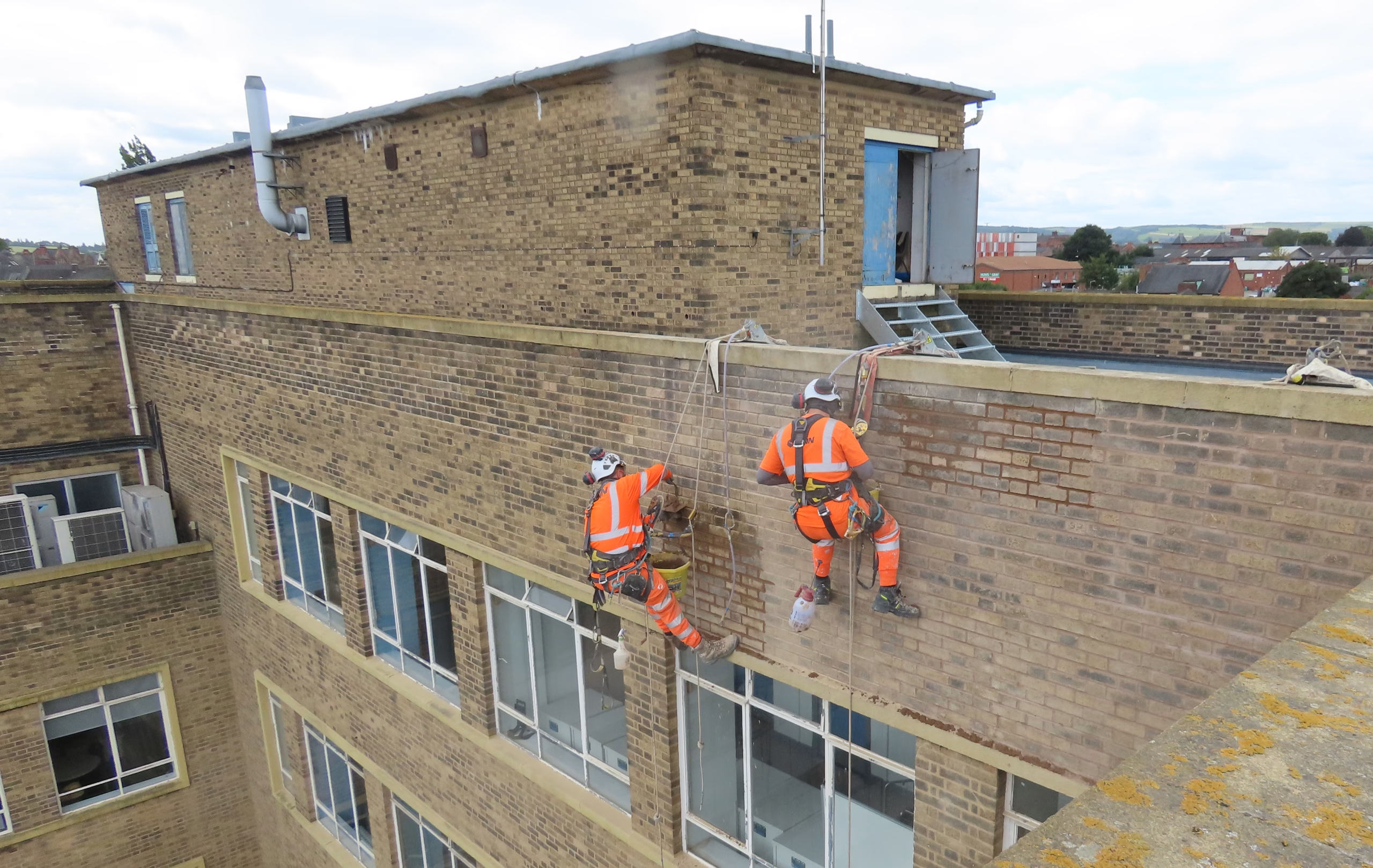
Chesterfield College – Repointing
CAN Structures was instructed with the cleaning, by biocide application, and remedial repointing of 200sqm of brick parapet wall at Chesterfield…