
Catch Fences
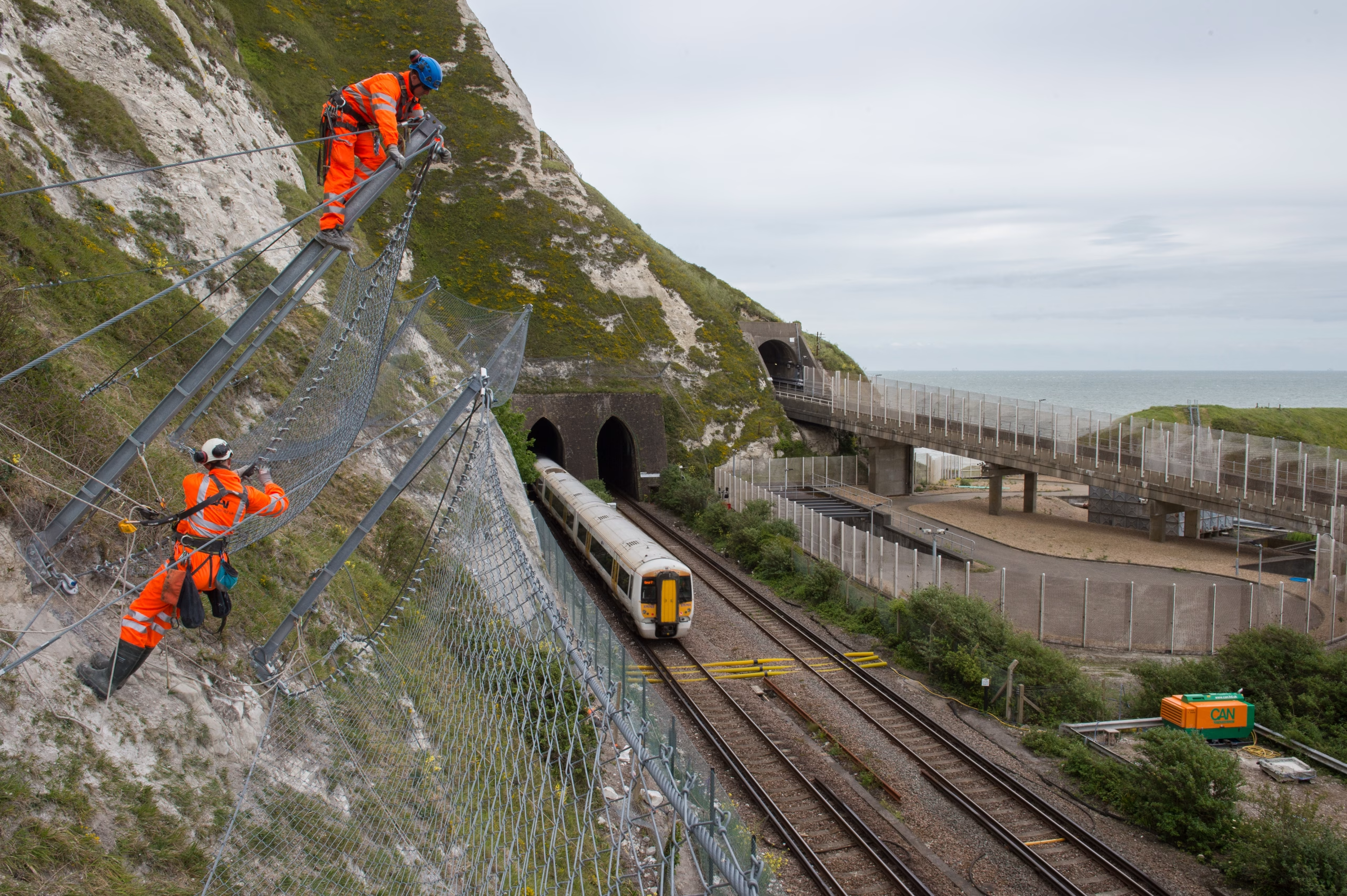
Rockfall barriers and rockfall catch fence systems can save lives and protect infrastructure
What is a Catch Fence?
Rockfall catch fences are used where the risk of rockfall cannot be entirely eliminated and any residual risk must be managed through engineered measures.
Their design is based on a detailed assessment of anticipated block size, trajectory, bounce height, and kinetic energy, typically informed by site inspection, rockfall modelling, and geotechnical analysis.
Catch fences can vary significantly in height, capacity, and configuration, depending on the level of protection required and site constraints.
While primarily used for rockfall mitigation, similar barrier systems may also be employed to reduce the risk associated with tree falls or other debris impacts, and comparable energy‑absorbing fence technologies are used in specialist applications such as motorsport safety and crowd protection.
How are they installed?
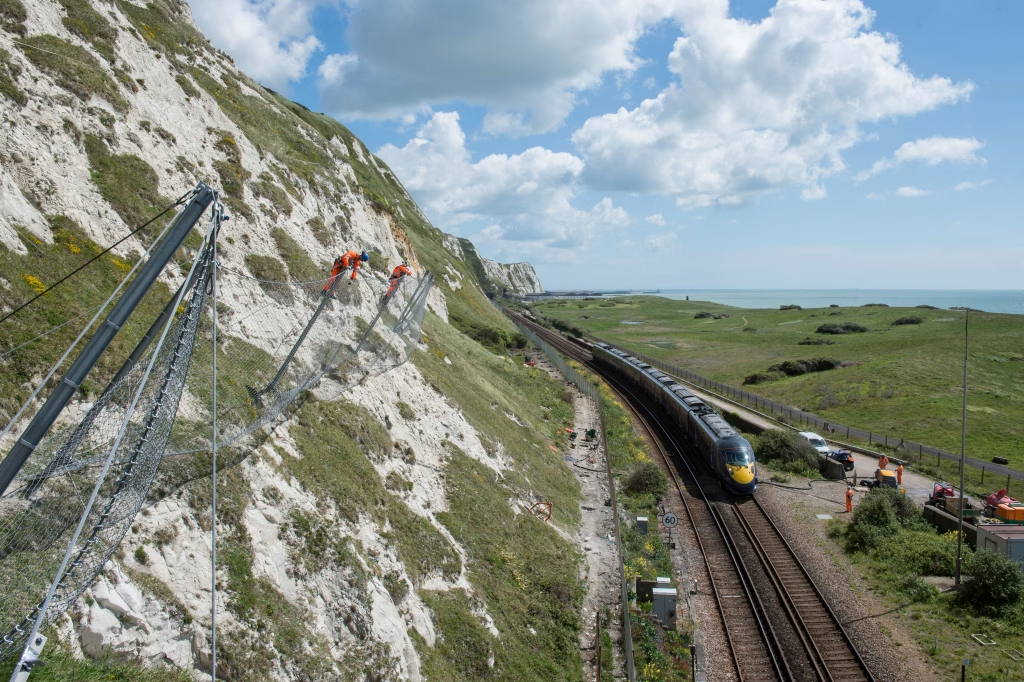
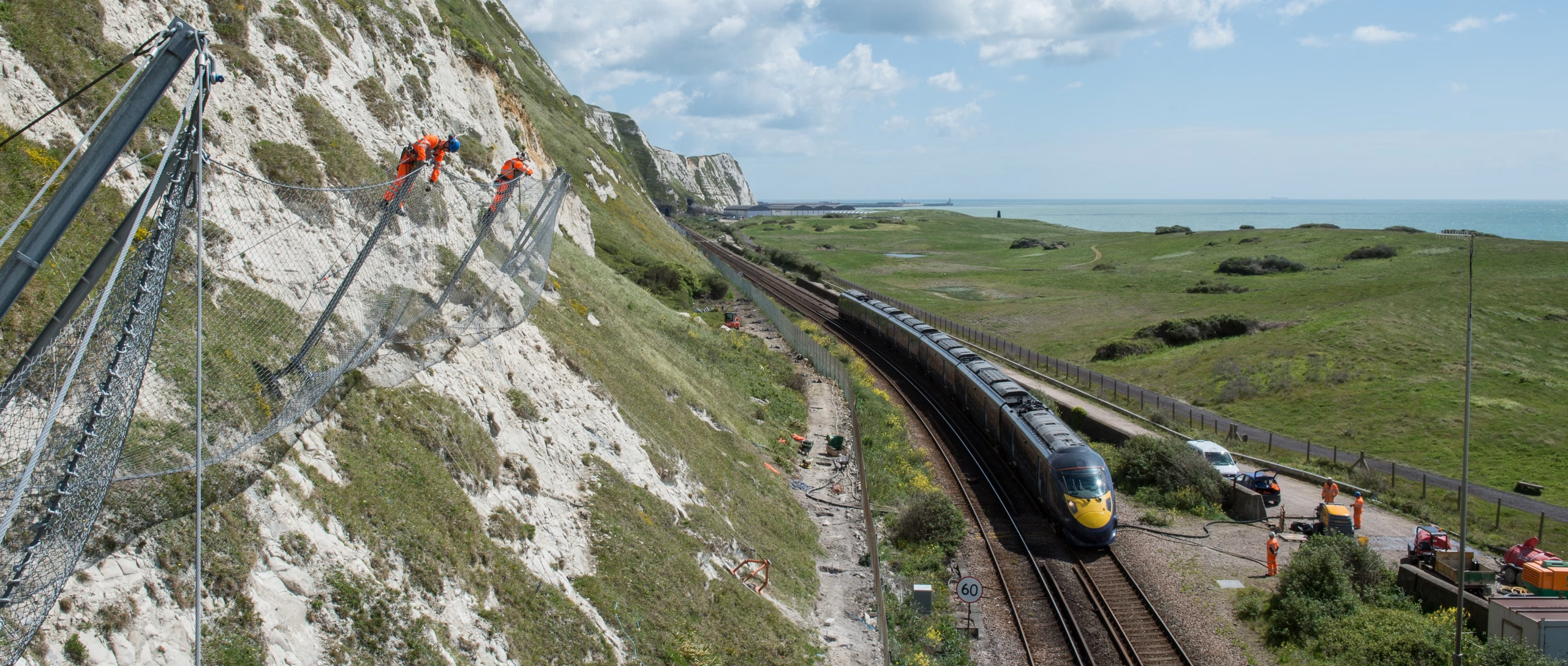
Rockfall catch fences typically comprise steel support posts, generally founded on small, discreet concrete foundations designed to suit site‑specific ground conditions and loading requirements.
In the UK, fence heights commonly range from approximately 1 m to 6 m, although taller systems are available where increased containment capacity or bounce‑height is required.
Fence posts may be configured in a number of ways depending on the system design and performance requirements, including:
- Posts supported by fore and back stays formed from steel wire rope, with or without integrated energy‑absorbing devices
- Freestanding rigid posts, where ground conditions and foundation design permit
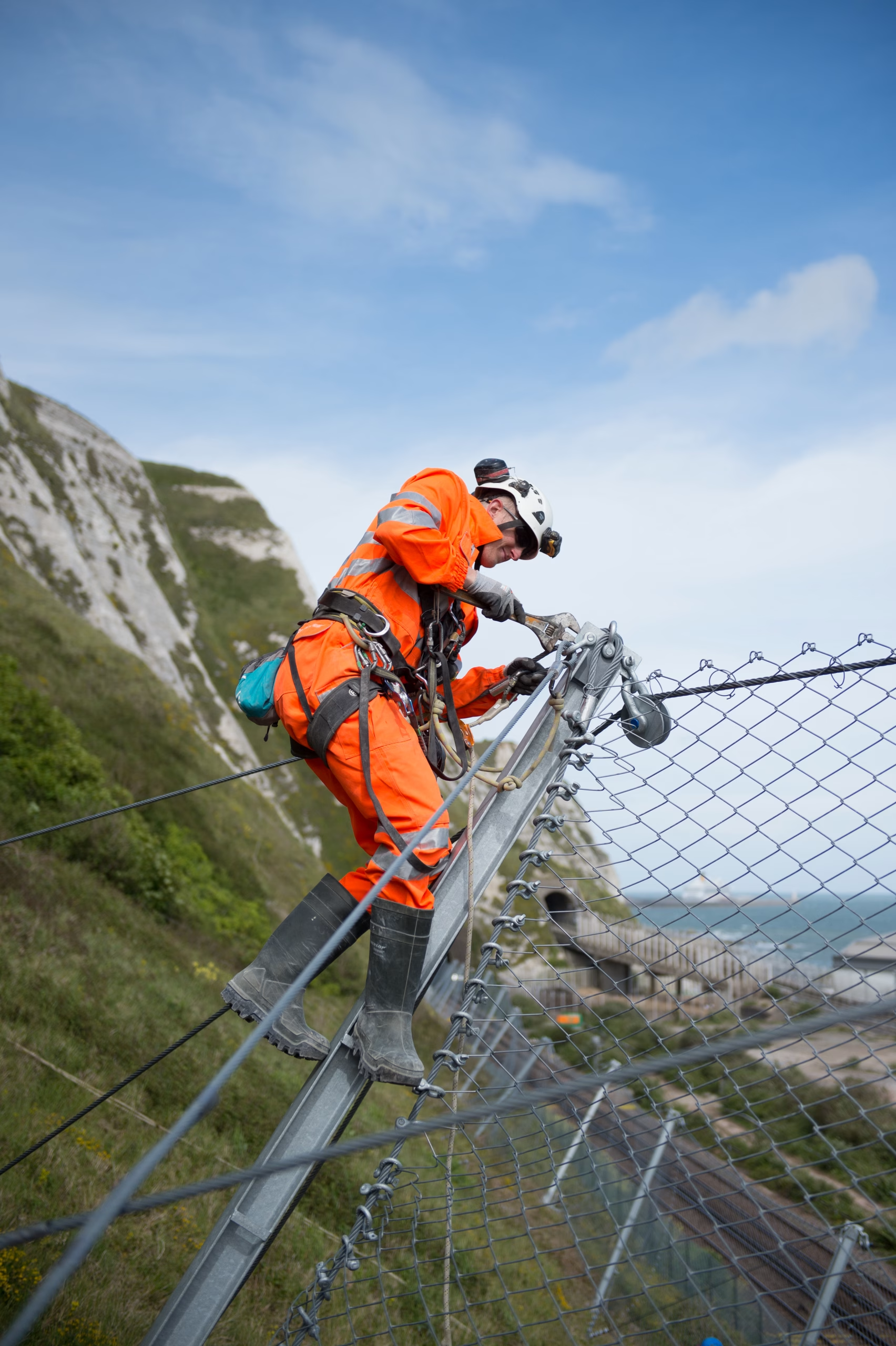
Suspended between the posts is a high‑strength steel wire mesh, often incorporating additional longitudinal and transverse reinforcing cables to control deformation and distribute impact loads. A wide range of fence and mesh configurations is available, with system selection governed by factors such as required energy absorption capacity, fence height, impact geometry, ground conditions, and installation constraints.
Where can Catch Fences be Installed?
Rockfall catch fences can be installed across a wide range of ground and terrain conditions, including:
- Flat ground, such as alongside roads, railways, and other linear infrastructure
- Sloping ground, where fences are positioned to intercept rockfall debris downslope
- Vertical or overhanging rock faces, where site constraints require bespoke layout and foundation solutions
CAN has extensive experience in the design and construction of rockfall catch fence systems, delivering solutions tailored to site‑specific hazard and ground conditions.
We work closely with trusted supply partners to develop and implement appropriately certified systems that meet performance requirements and applicable standards, with the objective of reducing risk and improving safety for infrastructure, assets, and personnel.
How do they ensure safety with large loads?
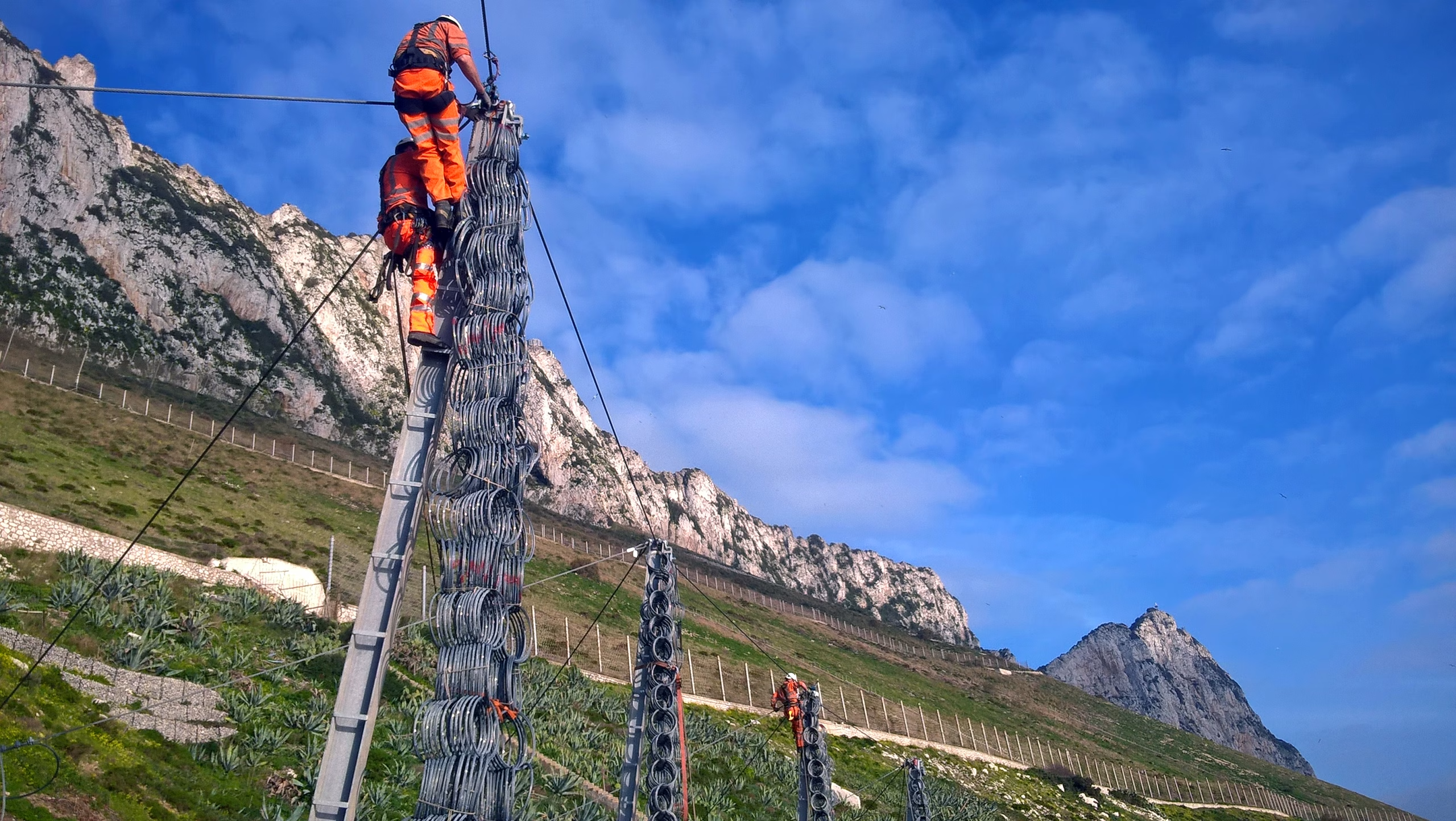
Rockfall catch fences can be installed over extended or discontinuous lengths as required by the geotechnical analysis, with typical fence heights ranging from approximately 1 m to over 10 m.
High‑capacity systems are capable of supporting very large impacts, with the largest fences designed to withstand in excess of 10,000 kJ.
Catch fence systems are generally designed, tested, and certified in accordance with recognised European technical guidance for rockfall protection systems, such as ETAG 027 / EAD 340059‑00‑0106, with performance verified through full‑scale impact testing. System design, layout, and foundation detailing are then developed to suit site‑specific ground conditions and loading requirements.
Case Studies
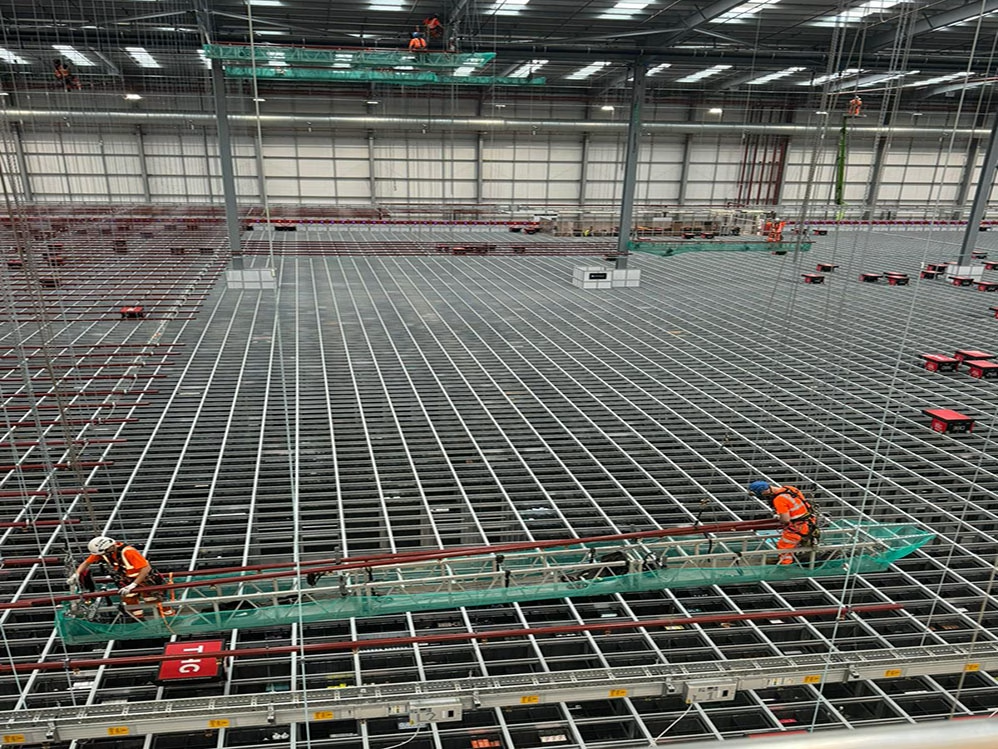
ICON 2 – Sprinkler System
CAN Structures was contracted to install a supplementary sprinkler system to 19,600sqm of ceiling above an operational automated retrieval system…
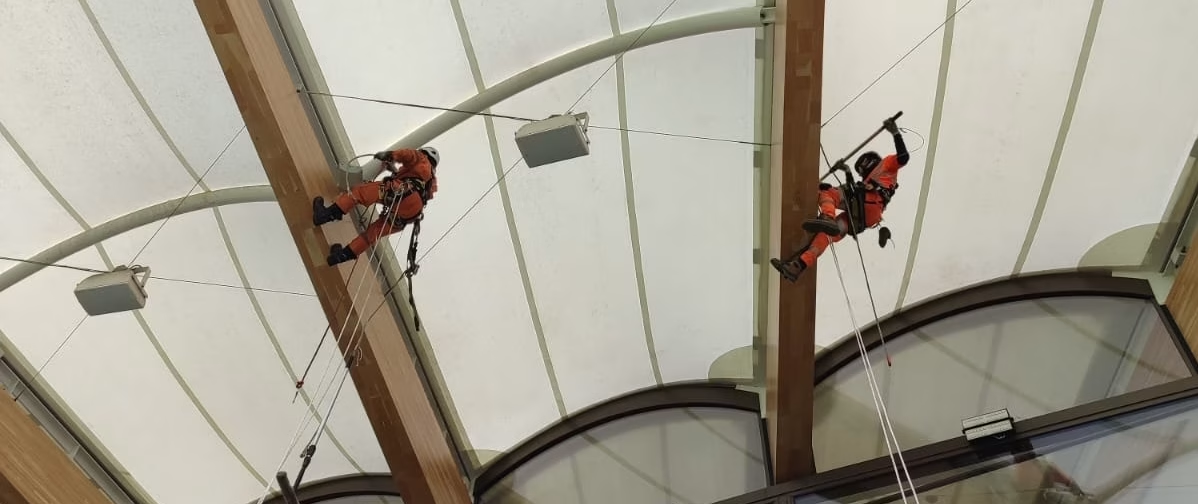
Specialist clean-up crew gets bird’s-eye view of Lord’s Cricket Ground
Client: Lord’s Cricket Ground Location: London Duration: 1 Week Rope access specialists from CAN, an RSK company, have been…
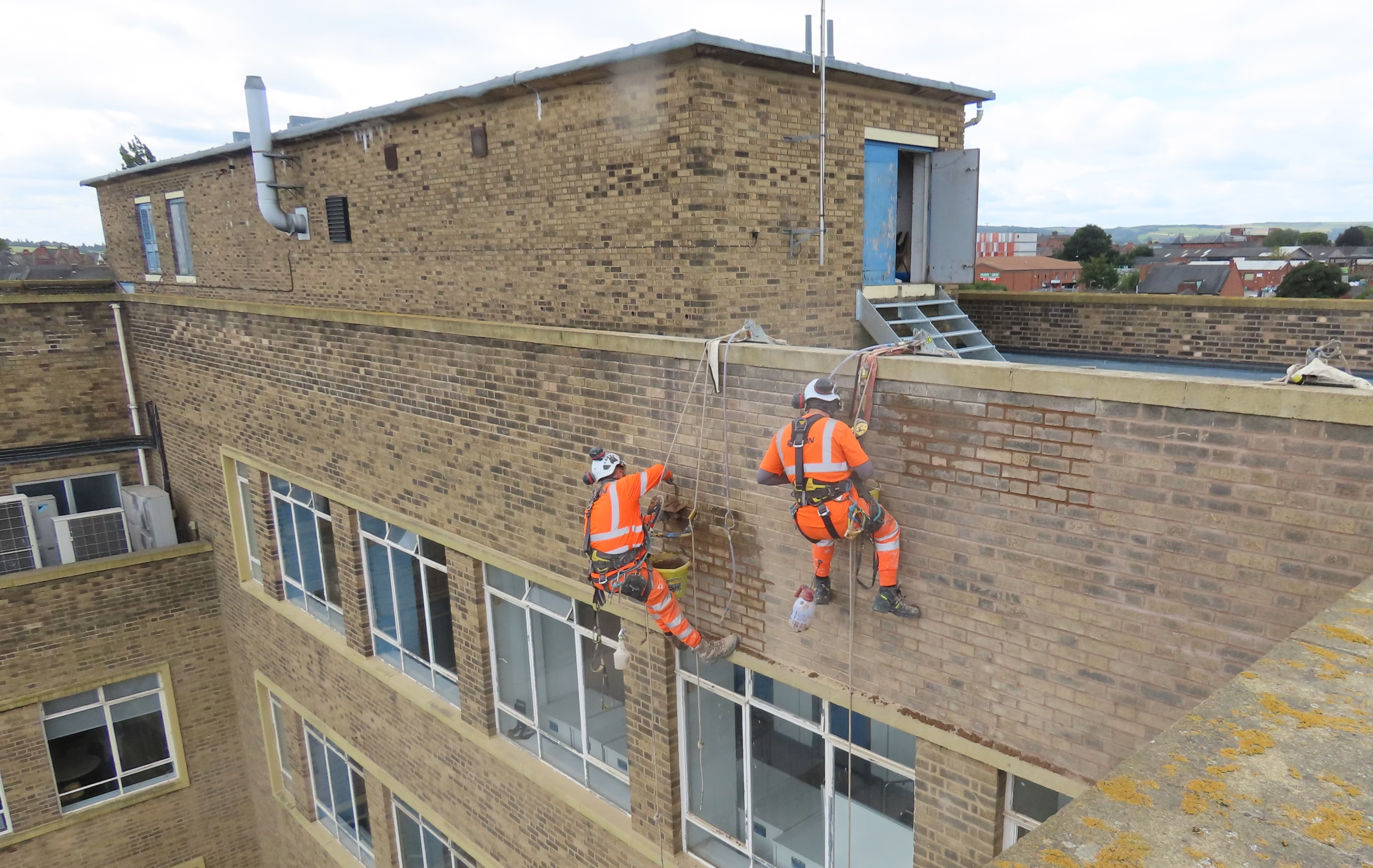
Chesterfield College – Repointing
CAN Structures was instructed with the cleaning, by biocide application, and remedial repointing of 200sqm of brick parapet wall at Chesterfield…