
Rock Removal
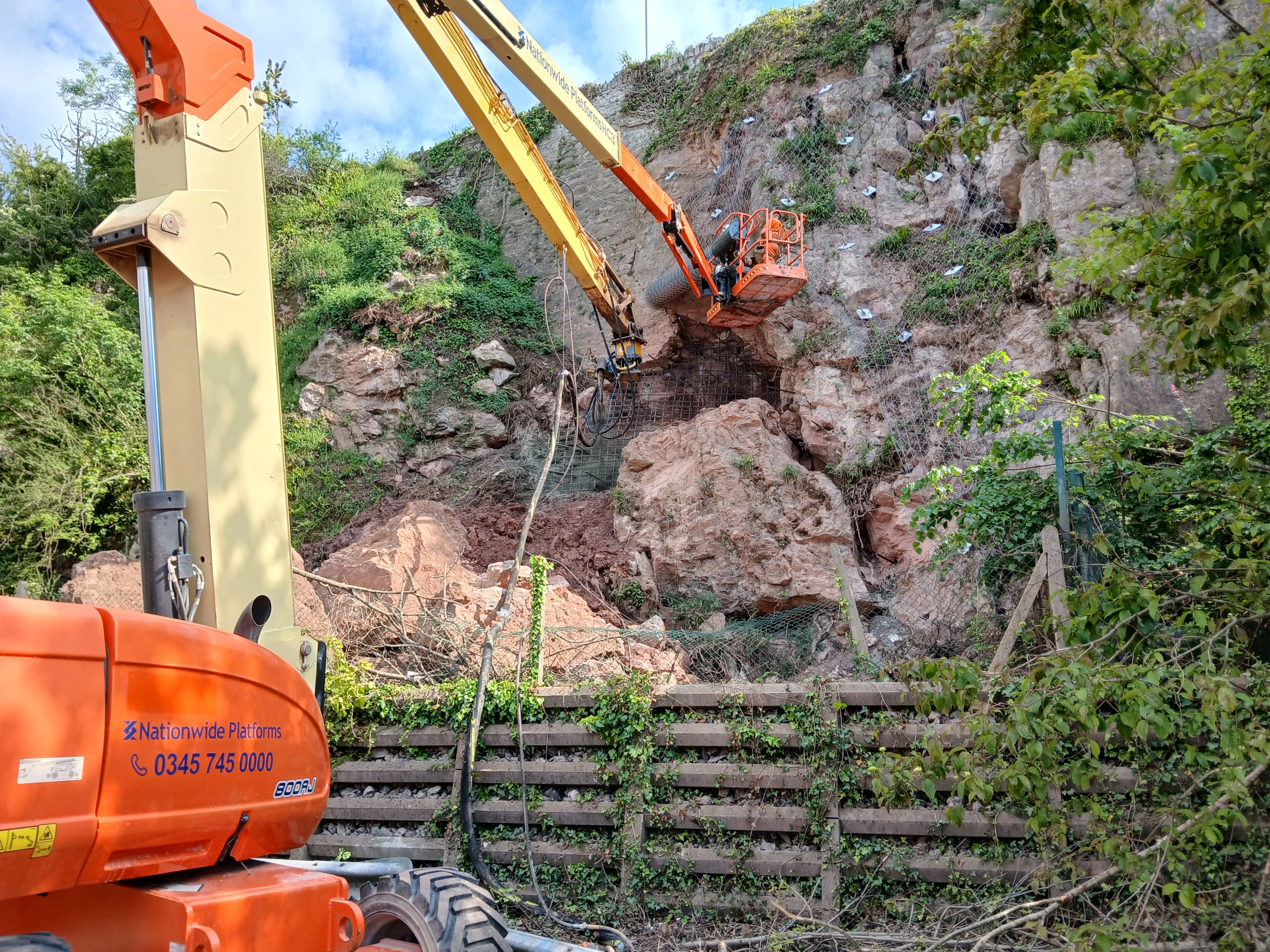
Removing hazardous rock early prevents problems and emergencies down the road.
What is rock removal?
Rock removal is often a necessary first step in any rock face stabilisation project. In addition to eliminating longer‑term hazards, it is a critical measure for protecting site personnel prior to undertaking other works on or near a rock face.
The removal of small, loose material is commonly referred to as rock scaling or de‑scaling, while the removal of larger unstable sections is typically described as block removal or rock removal. These terms are often used interchangeably and reflect the scale and nature of the works rather than fundamentally different techniques.
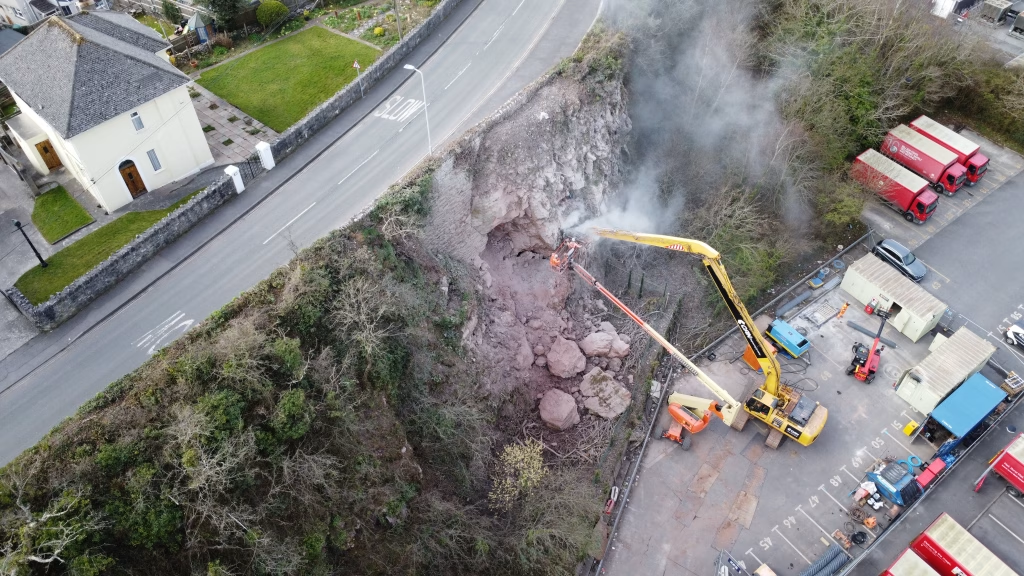
How is Rock Removal carried out?
Rock scaling generally involves a hands‑on approach, requiring operatives to access the rock face using appropriate access methods. Hand tools are used to carefully remove loose or unstable material in a controlled manner, allowing debris to fall to a designated collection area for removal.
Larger block removal is typically employed where the risks associated with stabilising a hazard outweigh those of removing it entirely. In such cases, blocks may be restrained and lowered in a controlled manner, or, where appropriate, allowed to fall within managed exclusion zones.
A range of specialist techniques may be used, including:
- Heavy plant
- Power tools
- Mechanical jacks
- Winches
- Pneumatic airbag lifters
- Expanding grout systems
- Explosive charges (in exceptional circumstances)
Regardless of the scale or method of removal, the safety of people, infrastructure, and surrounding assets remains paramount.
To manage these risks, we design and implement site‑specific protection measures, which may include:
- Engineered protective barriers
- Temporary catch fencing systems
- Controlled and enforced exclusion zones
This structured approach ensures rock removal works are carried out safely, effectively, and in a controlled manner, providing a secure foundation for subsequent stabilisation measures.
Case Studies
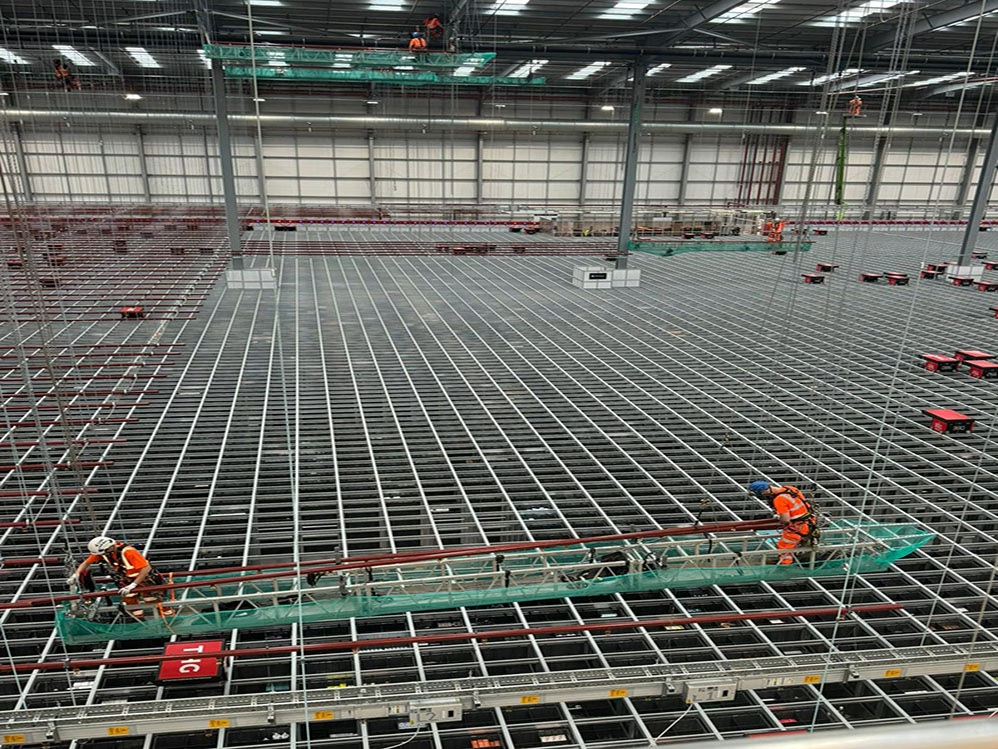
ICON 2 – Sprinkler System
CAN Structures was contracted to install a supplementary sprinkler system to 19,600sqm of ceiling above an operational automated retrieval system…
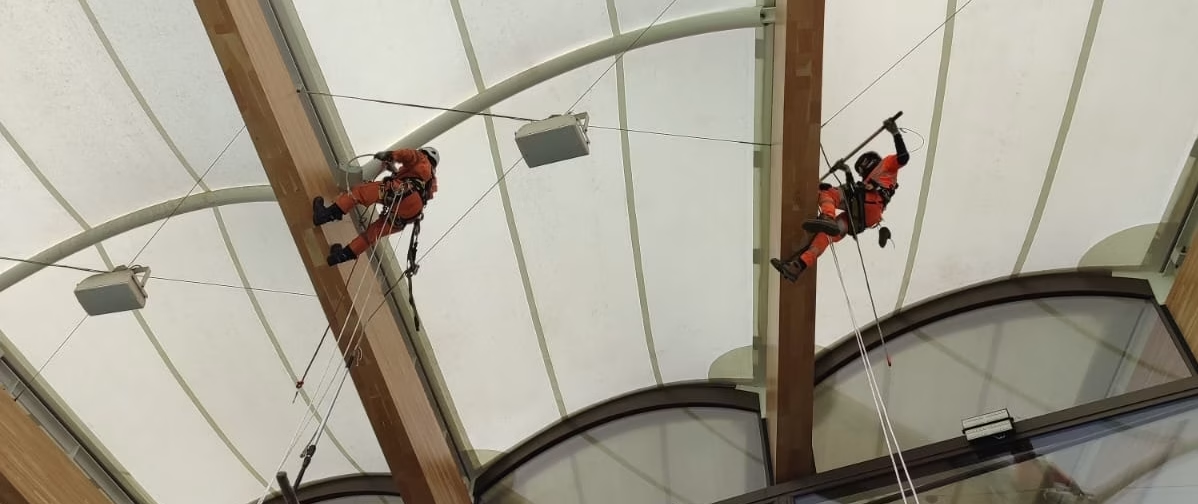
Specialist clean-up crew gets bird’s-eye view of Lord’s Cricket Ground
Client: Lord’s Cricket Ground Location: London Duration: 1 Week Rope access specialists from CAN, an RSK company, have been…
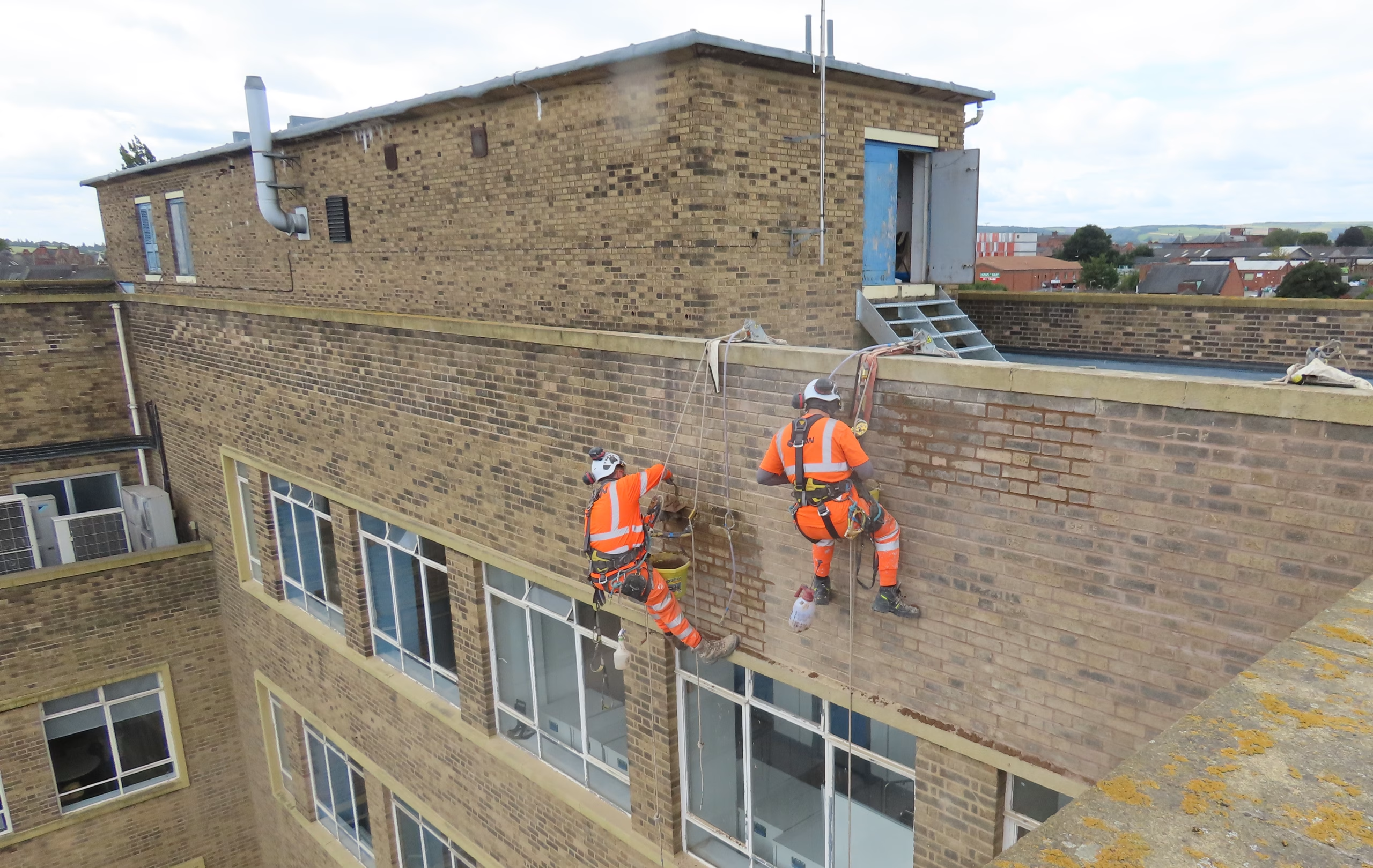
Chesterfield College – Repointing
CAN Structures was instructed with the cleaning, by biocide application, and remedial repointing of 200sqm of brick parapet wall at Chesterfield…