
Anchors
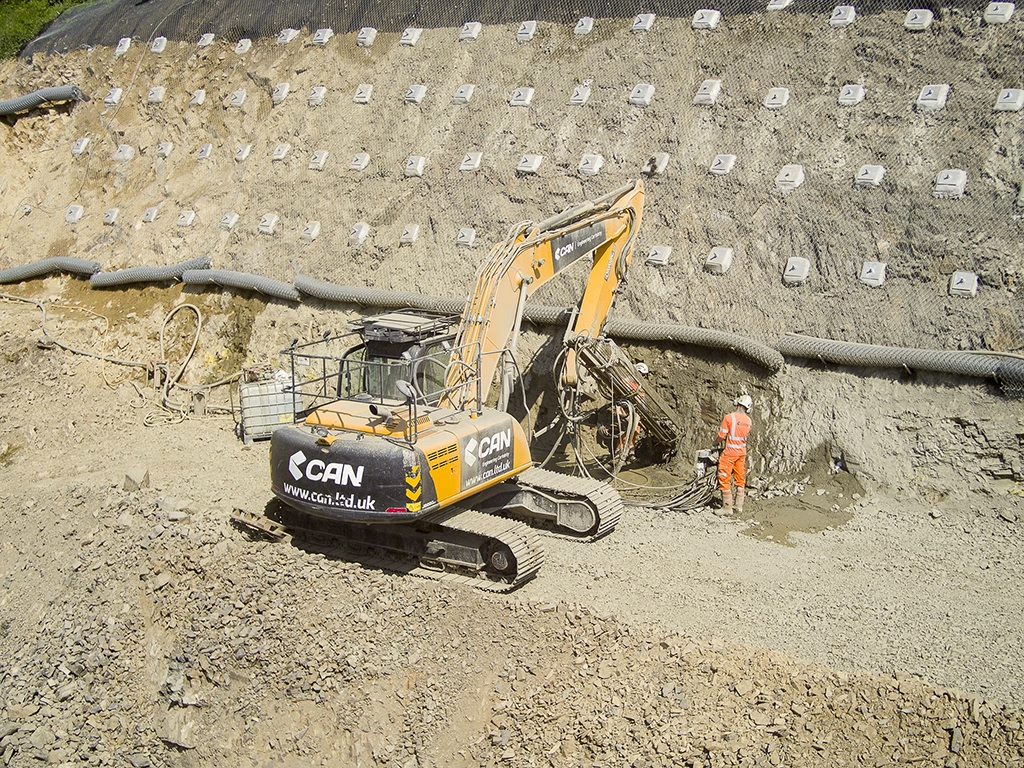
Ground and rock anchor installation ensures lasting stability
What is an anchor?
Anchors come in several forms and may be referred to as ground anchors, rock anchors, tension anchors, tension bolts, or passive anchors, depending on their application and method of load transfer.
An anchor is a structural tendon installed into soil or rock to provide tensile restraint to a mass of ground or to a structure. Load is transferred from the tendon into the surrounding ground through a bonded (or fixed) length, while the free length allows the tendon to be tensioned or to mobilise load without restraint from the ground.
Anchors may be post‑tensioned (active anchors), where load is applied after installation to provide immediate stabilisation, or passive, where load is mobilised only as the ground or structure deforms.
For post‑tensioned anchors, stressing is carried out once the grout has achieved adequate strength, locking in a predetermined load to control movement and provide long‑term stability.
Anchors are commonly used to stabilise excavations, slopes, retaining structures, and foundations where resistance to uplift or lateral forces is required.
How are Anchors used?
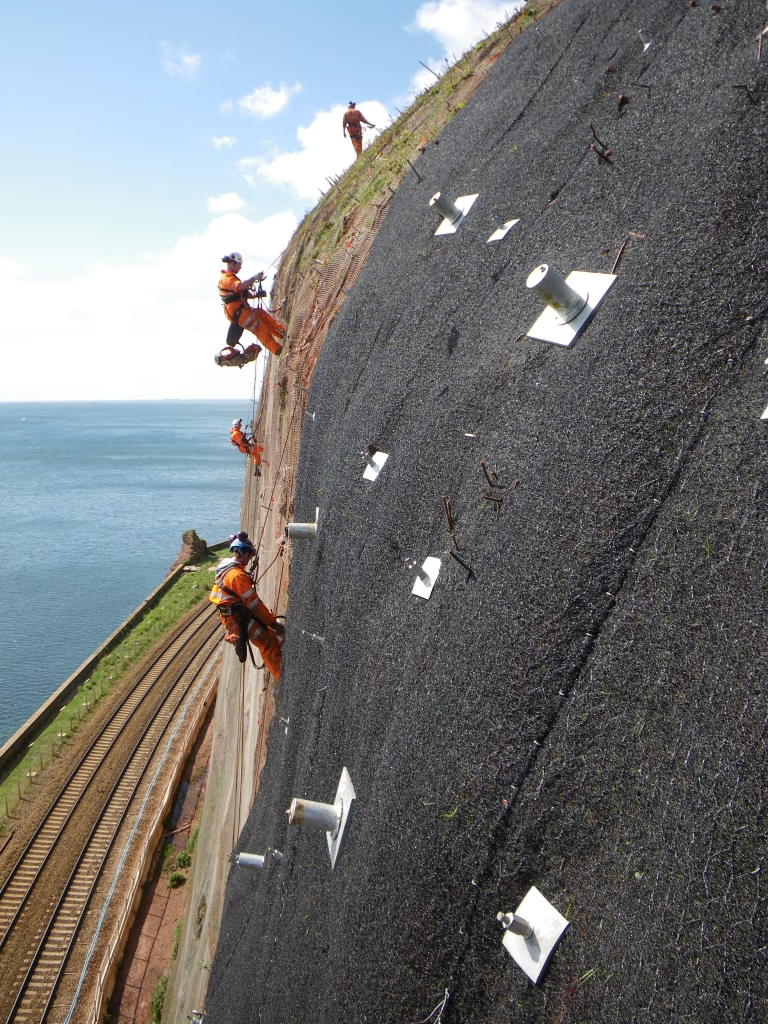
Anchors are used to restrain ground masses of varying size and type, and their terminology often reflects how and where they are used:
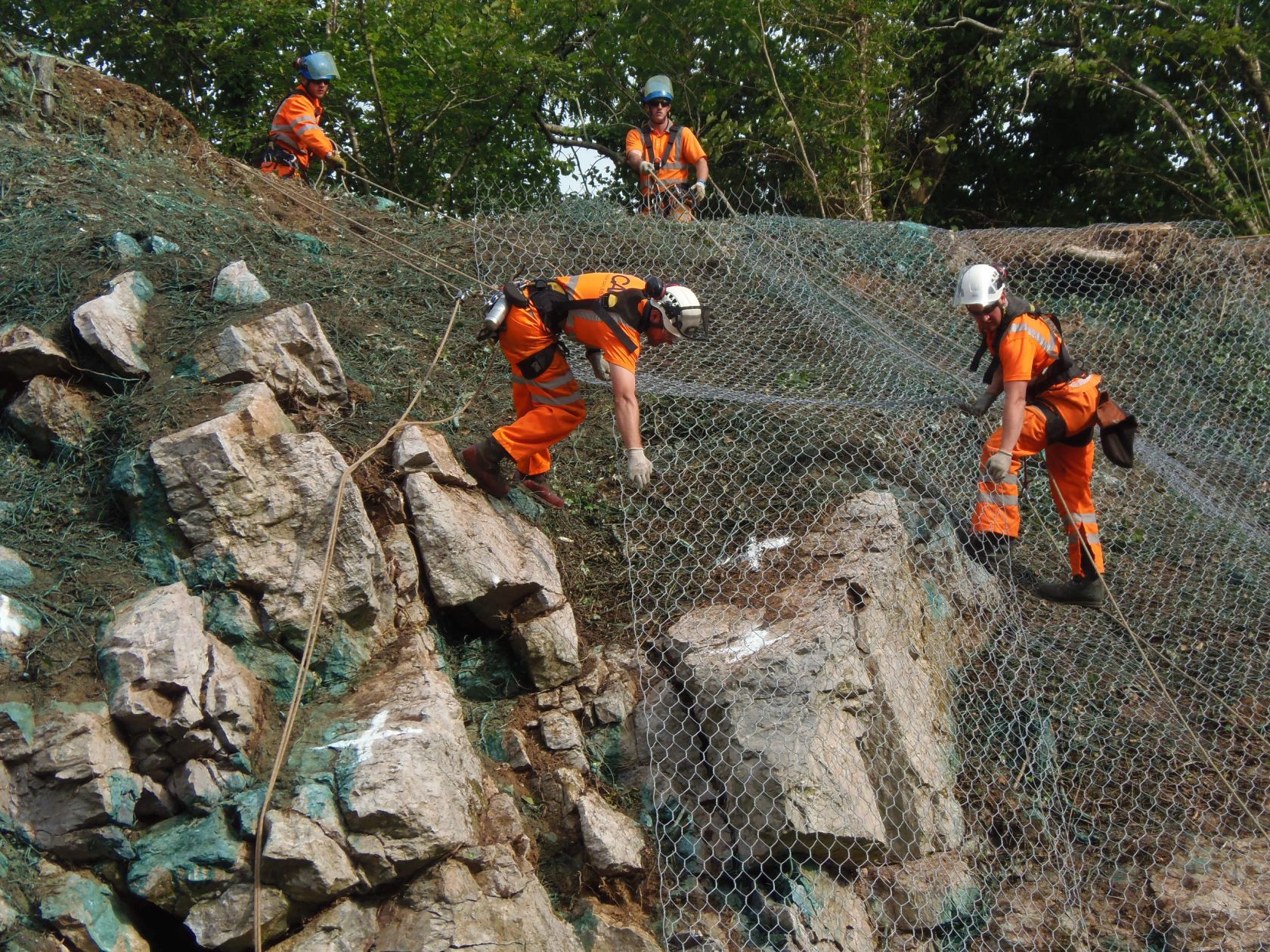
- Where a single block of rock is restrained, the anchor is commonly referred to as a rock bolt.
- Where restraint is provided to a larger mass of rock, the system is typically known as a rock anchor.
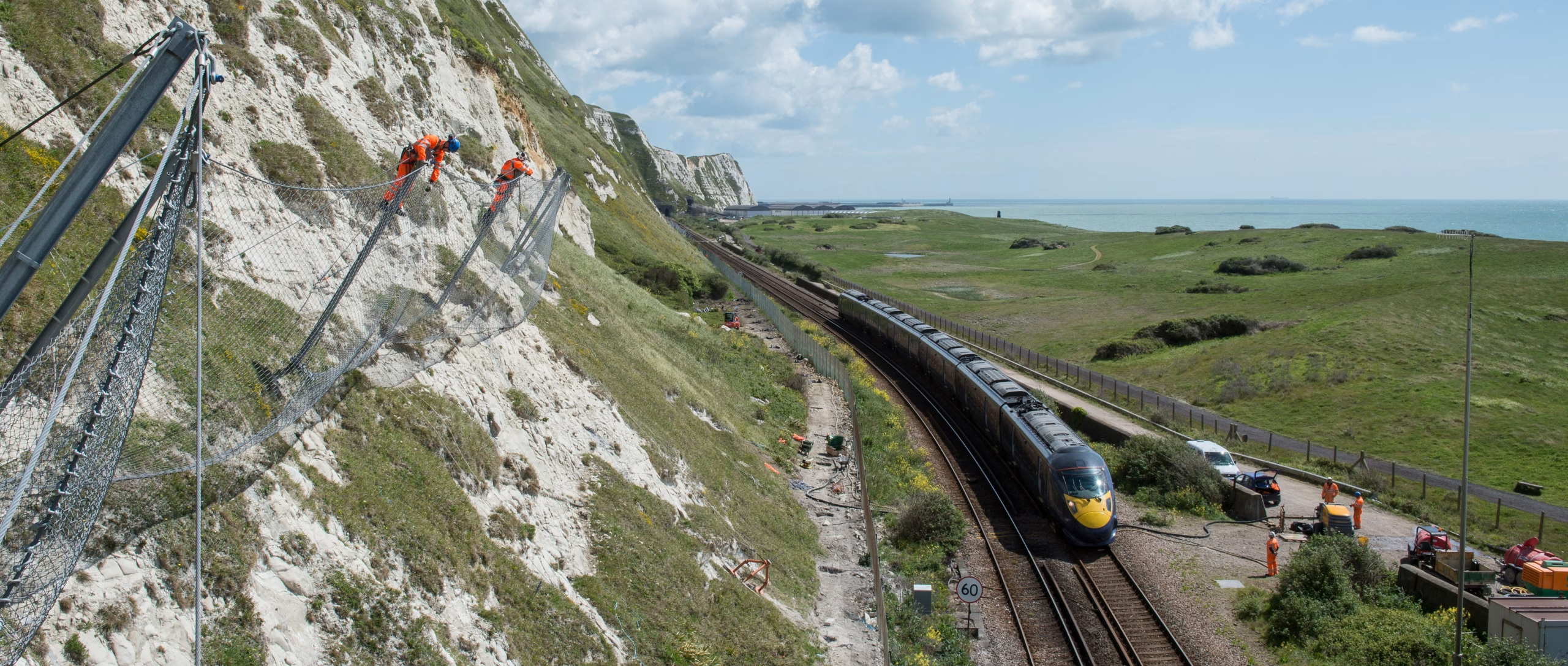
- When installed in soil or granular materials, often in conjunction with a structural or hard facing system such as shotcrete or precast panels, they are generally termed ground anchors.
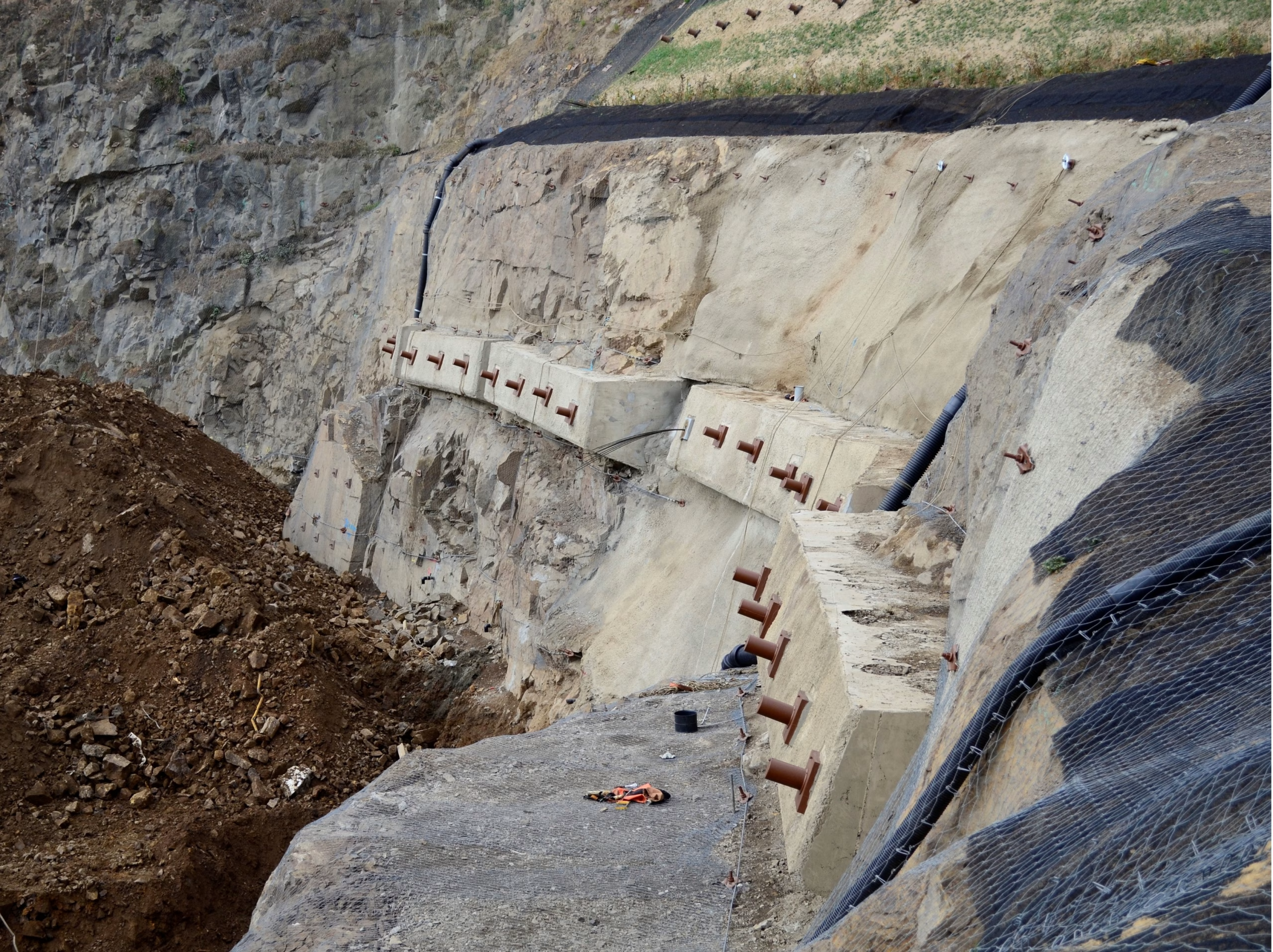
- Where anchors are used to provide restraint to a retaining wall or similar structure, they may simply be referred to as anchors, tensioned anchors, or retaining anchors.
Regardless of terminology, all anchors perform the same fundamental function: transferring tensile load from a structure or ground mass into competent ground via a bonded length.
Anchors are designed and installed in accordance with BS 8081 and BS EN 1537, and typically incorporate double corrosion protection (DCP) to ensure durability and long‑term performance, particularly where permanent works are required.
What is Double Corrosion Protection?
Double Corrosion Protection (DCP) is provided to ensure the long‑term durability of anchors, particularly where they form part of a permanent solution.
DCP typically comprises two independent protective barriers, such as an inner corrosion‑protected tendon (for example, greased and sheathed strands or bars) and an outer encapsulation formed by grout and a protective sheath.
This dual system is designed to prevent the ingress of water and aggressive ground conditions, providing protection should one layer be compromised, and is a fundamental requirement of BS 8081 and BS EN 1537 for permanent anchor installations.
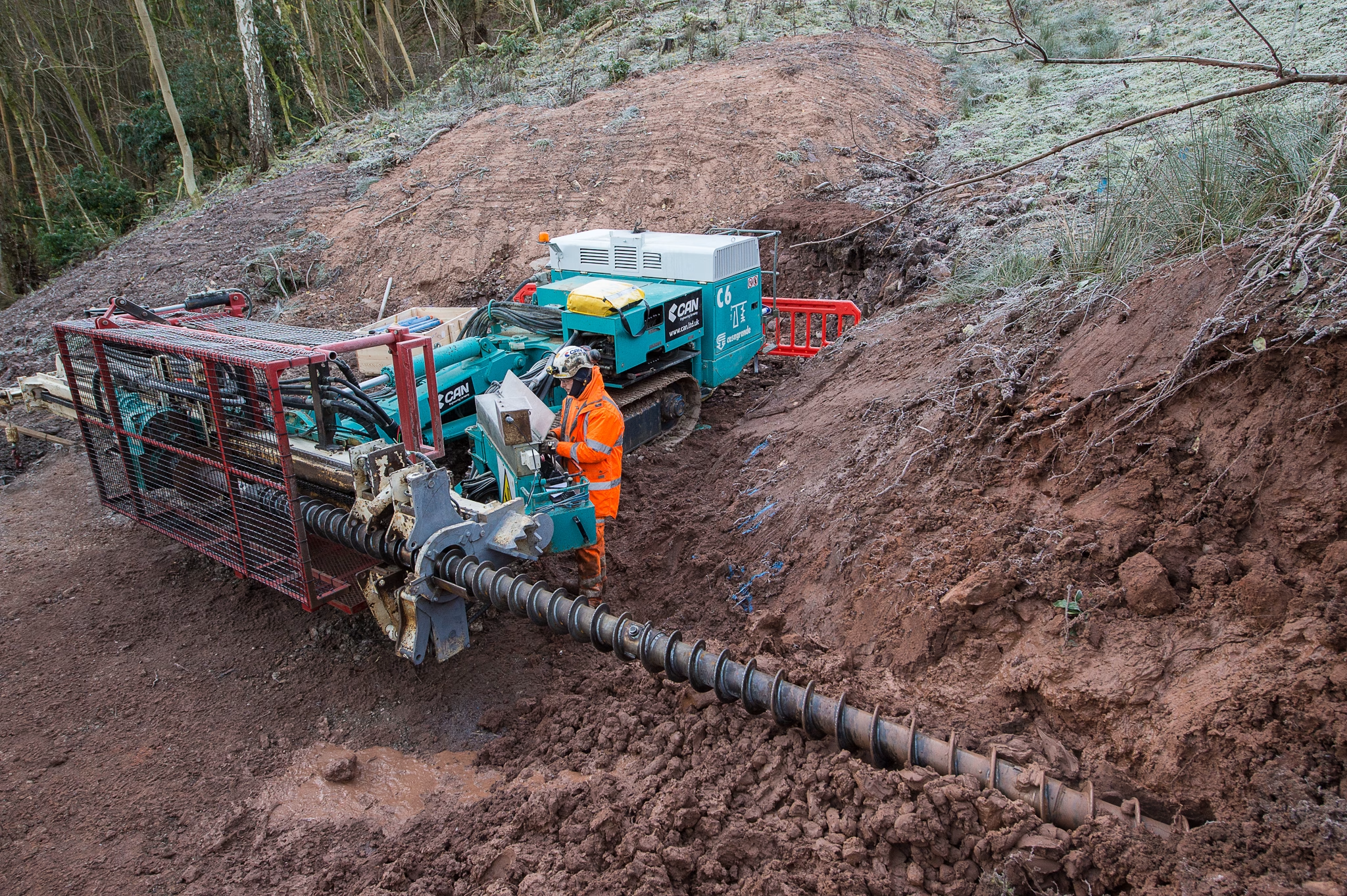
Case Studies
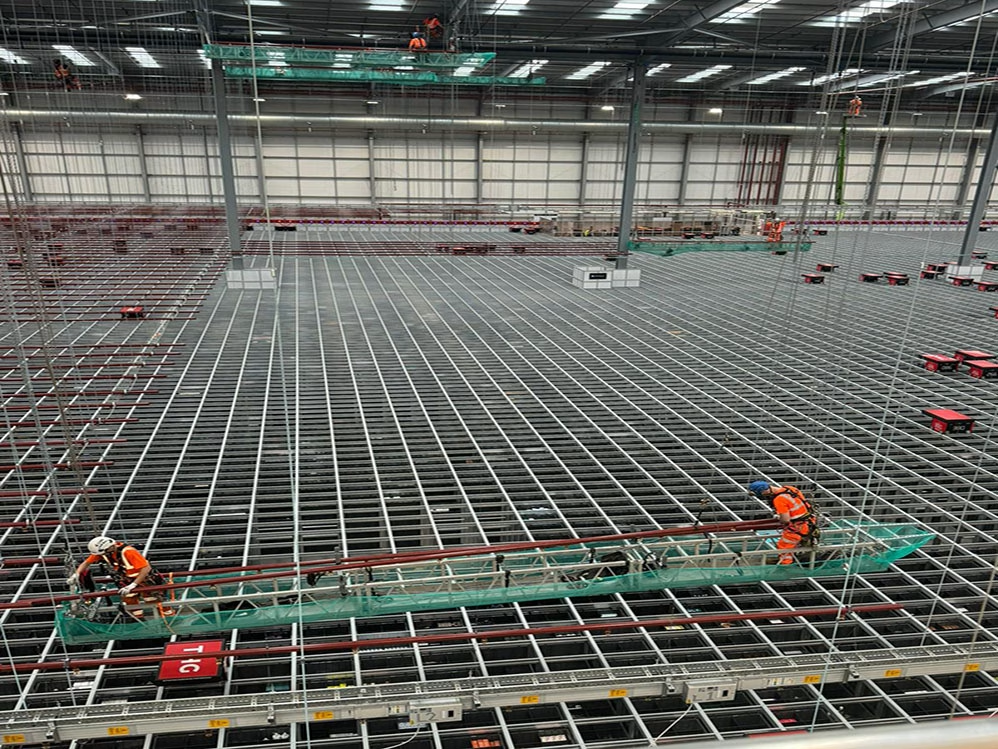
ICON 2 – Sprinkler System
CAN Structures was contracted to install a supplementary sprinkler system to 19,600sqm of ceiling above an operational automated retrieval system…
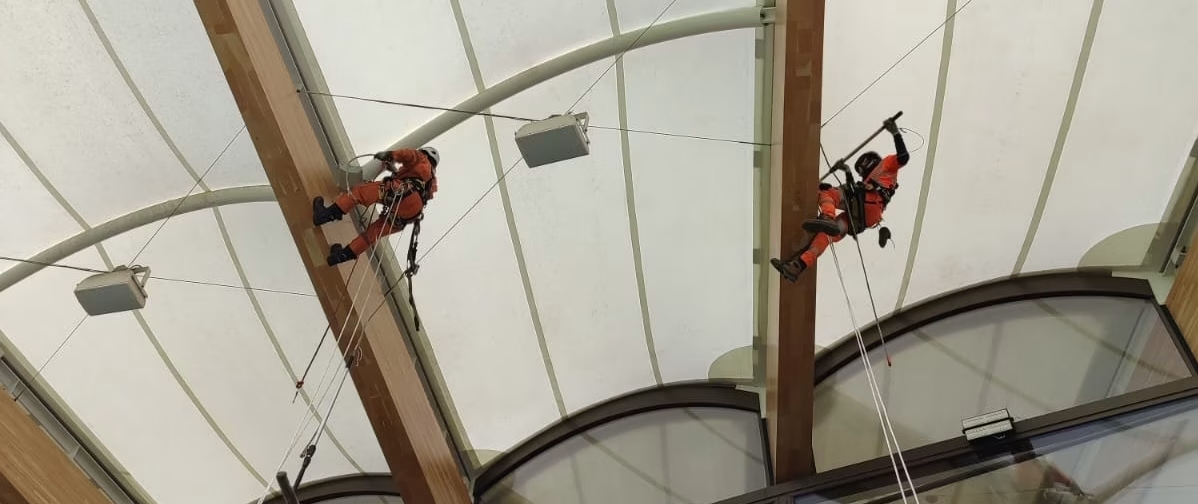
Specialist clean-up crew gets bird’s-eye view of Lord’s Cricket Ground
Client: Lord’s Cricket Ground Location: London Duration: 1 Week Rope access specialists from CAN, an RSK company, have been…
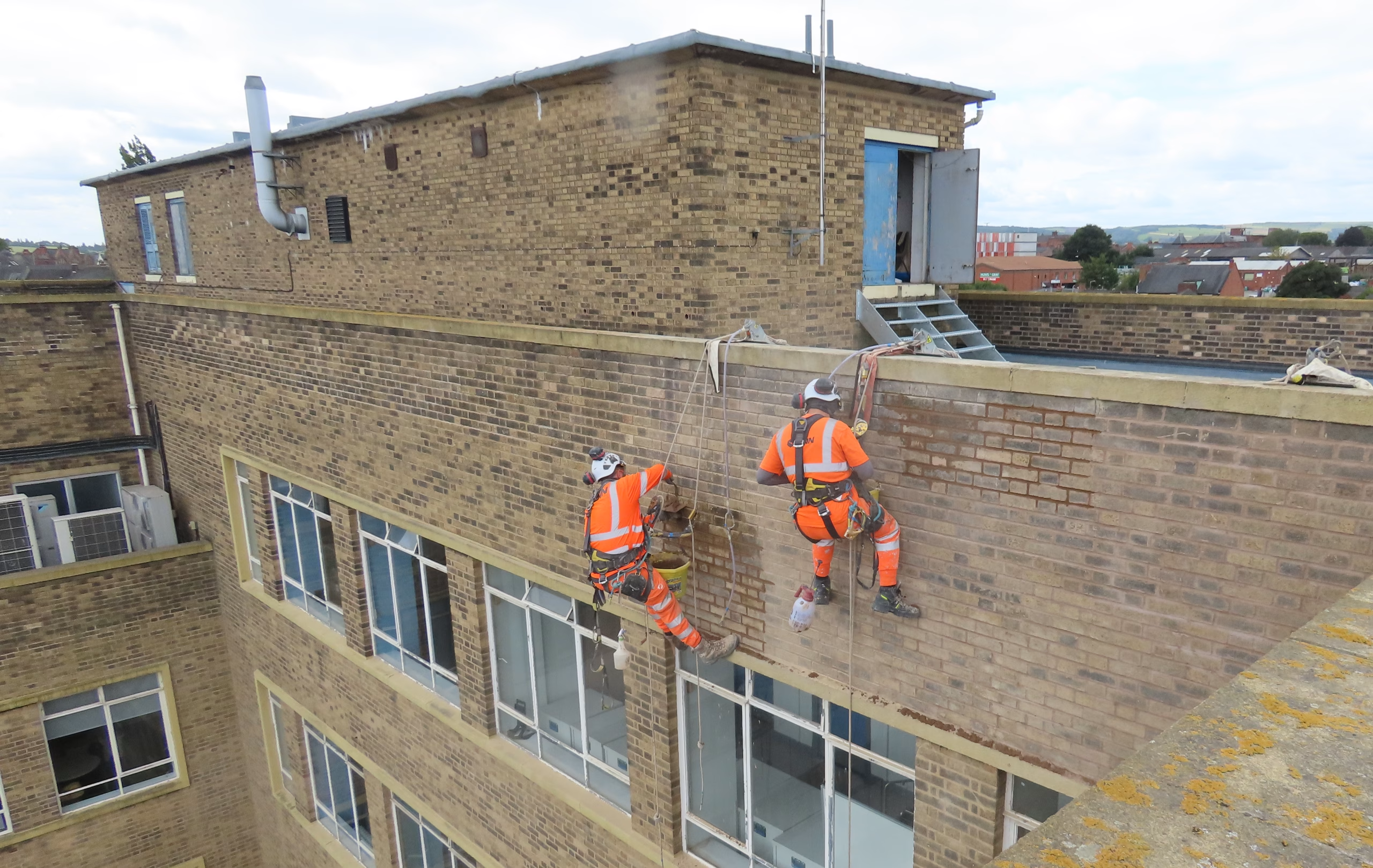
Chesterfield College – Repointing
CAN Structures was instructed with the cleaning, by biocide application, and remedial repointing of 200sqm of brick parapet wall at Chesterfield…