
Soil Nailing
What is a Soil Nail?
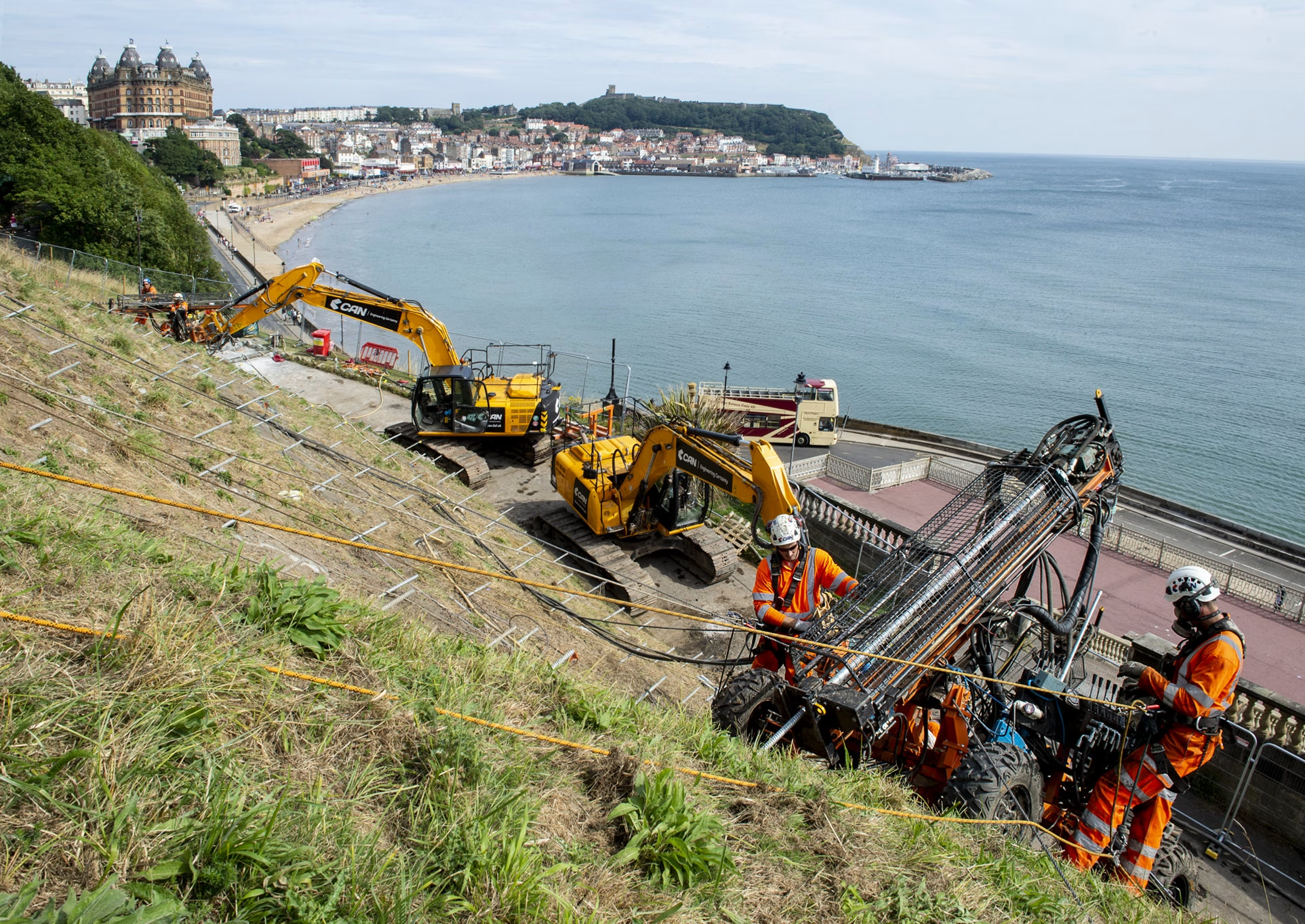
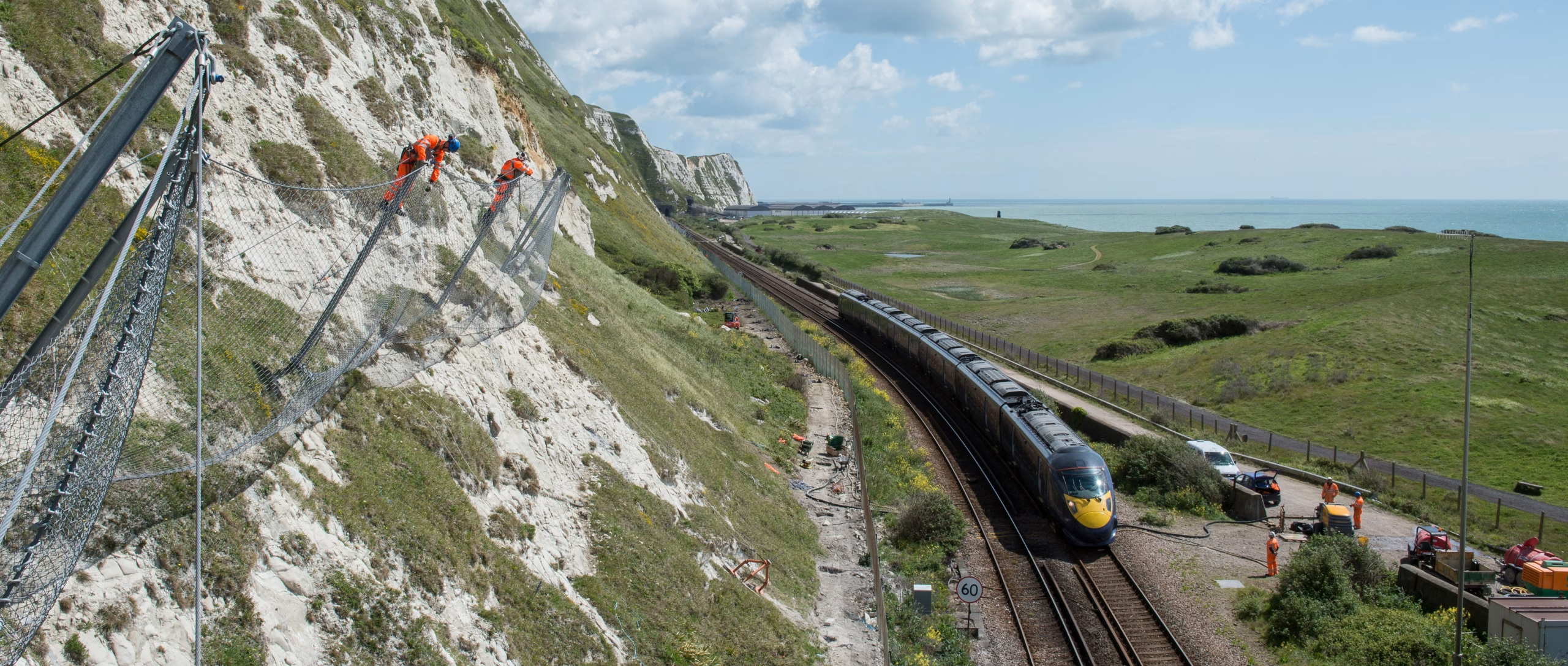
Soil nailing is a ground stabilisation technique used to strengthen weak or unstable slopes, cuttings, and embankments, typically formed in soils such as clays, sands, and gravels. When correctly designed and installed, soil nailing helps prevent landslips and provides long‑term slope stability.
A soil nail generally consists of a steel bar installed into pre‑drilled holes and secured with cementitious grout. Soil nails do not work in isolation; they are installed in a predetermined grid pattern to create a reinforced soil mass. This reinforced zone increases overall shear strength and reduces slope deformation.
Soil nailing is widely used for slope stabilisation, retaining wall construction, cliff stabilisation, and infrastructure works, offering a safe and cost‑effective form of ground support.
How does the process work?
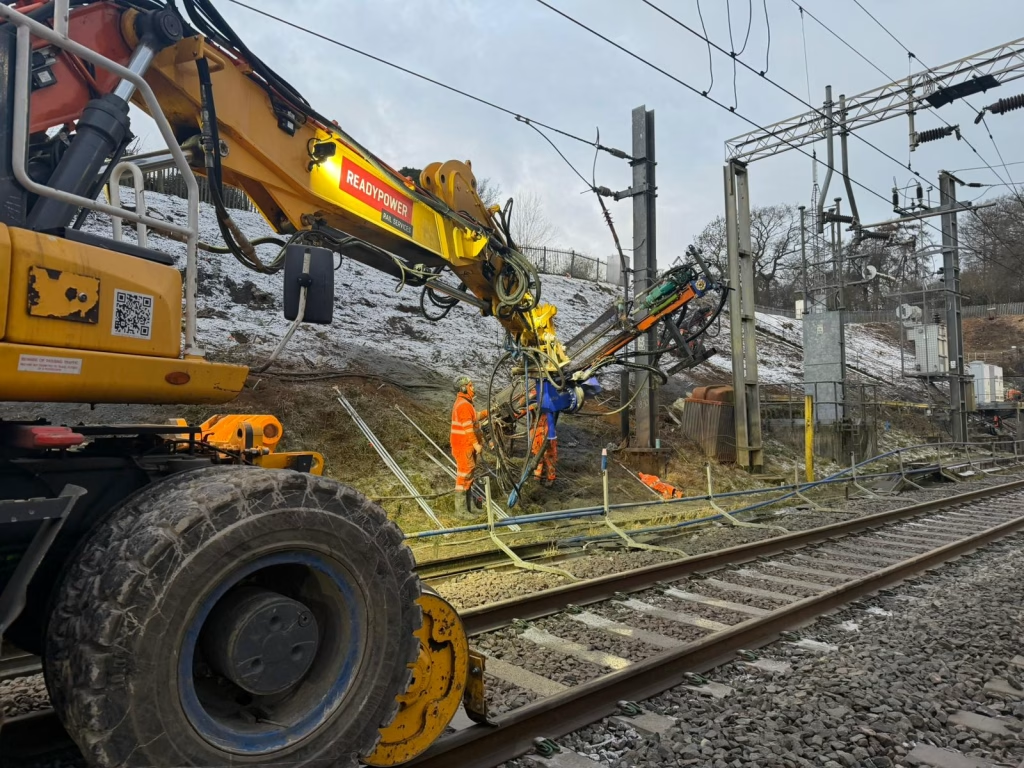
At CAN Geotechnical, we have designed and delivered hundreds of soil nailing schemes, each tailored to the specific ground conditions and constraints of the site. A typical installation process includes:
- Slope preparation, which may range from minimal works to de‑vegetation and re‑grading where required
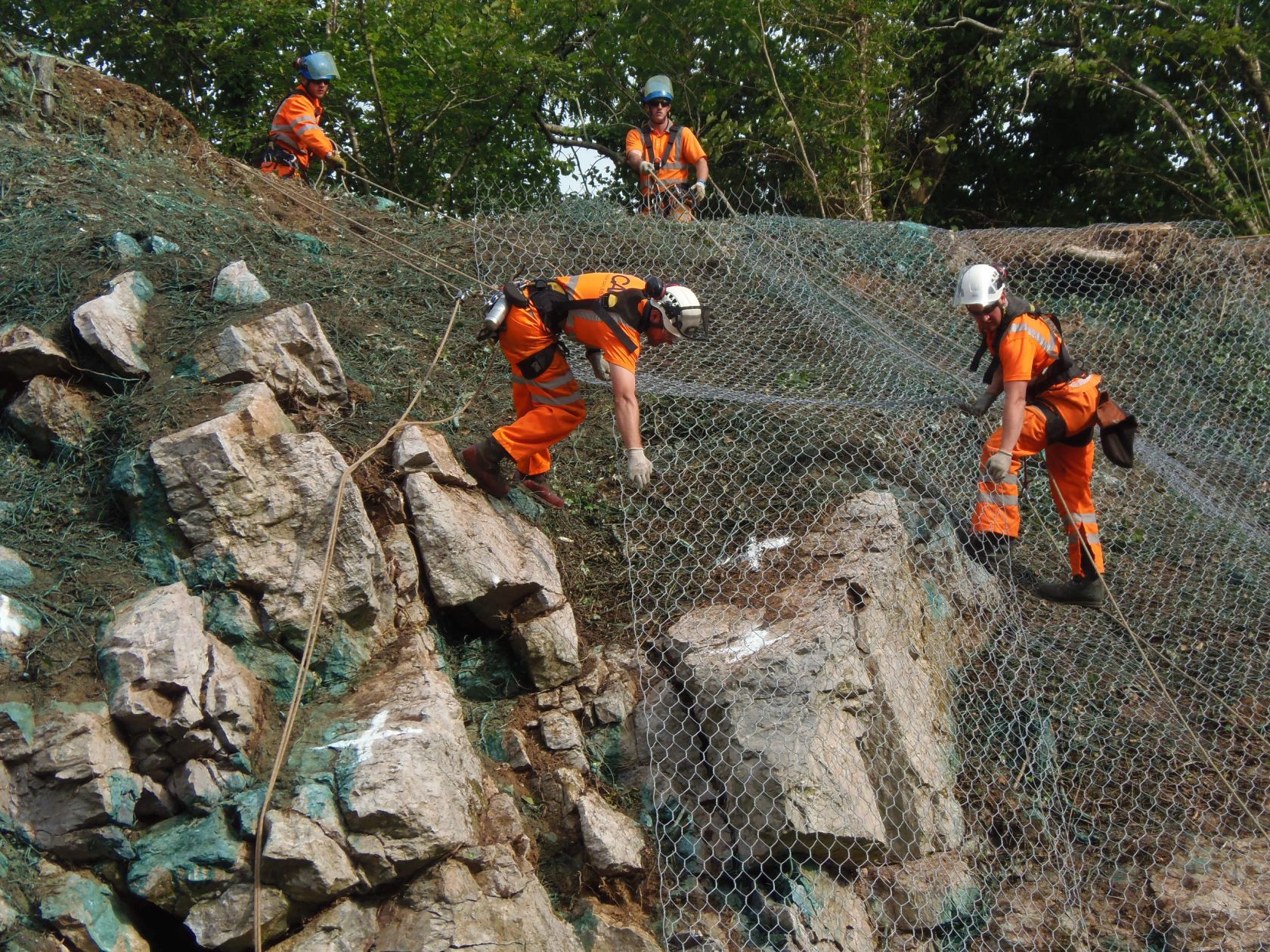
- Set‑out and access, with soil nail locations established by experienced engineers, often using rope access techniques
- Plant and equipment selection, drawing on a wide range of drilling rigs that can be mounted on excavators, telehandlers, road‑rail vehicles, or specialist cable‑suspended A‑frames and slope rigs
- Drilling and installation, most commonly using self‑drilling hollow bar systems, which allow grout to be pumped through the bar during drilling, with a sacrificial drill bit remaining in situ
- Testing and facing installation, where a proportion of nails are load tested and appropriate facing systems are installed
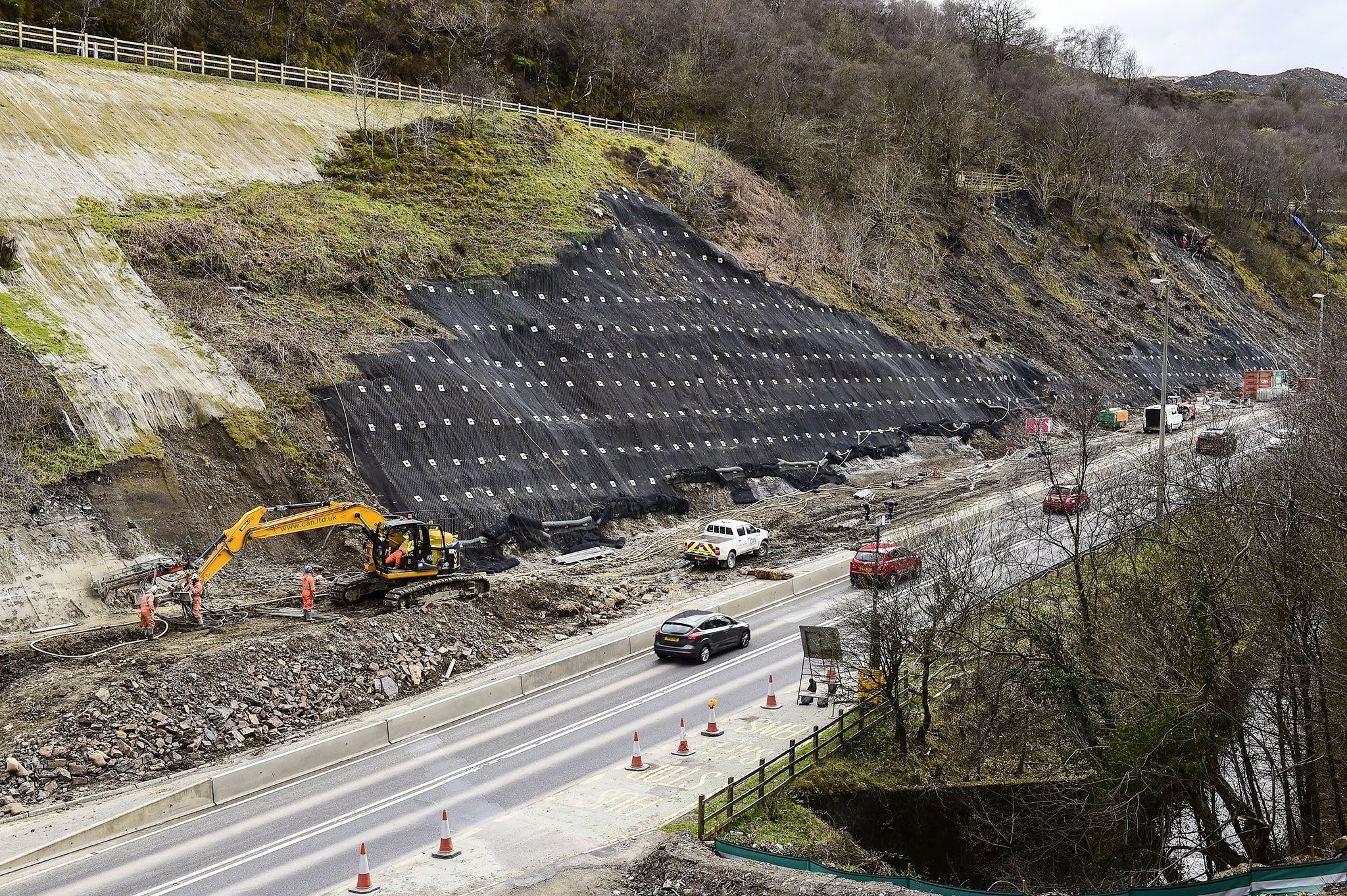
Facing systems are typically flexible steel wire mesh, but may also incorporate erosion control matting where required. Load‑distribution plates are installed at nail heads, followed by perimeter wire ropes connected to the facing system.
System Variations
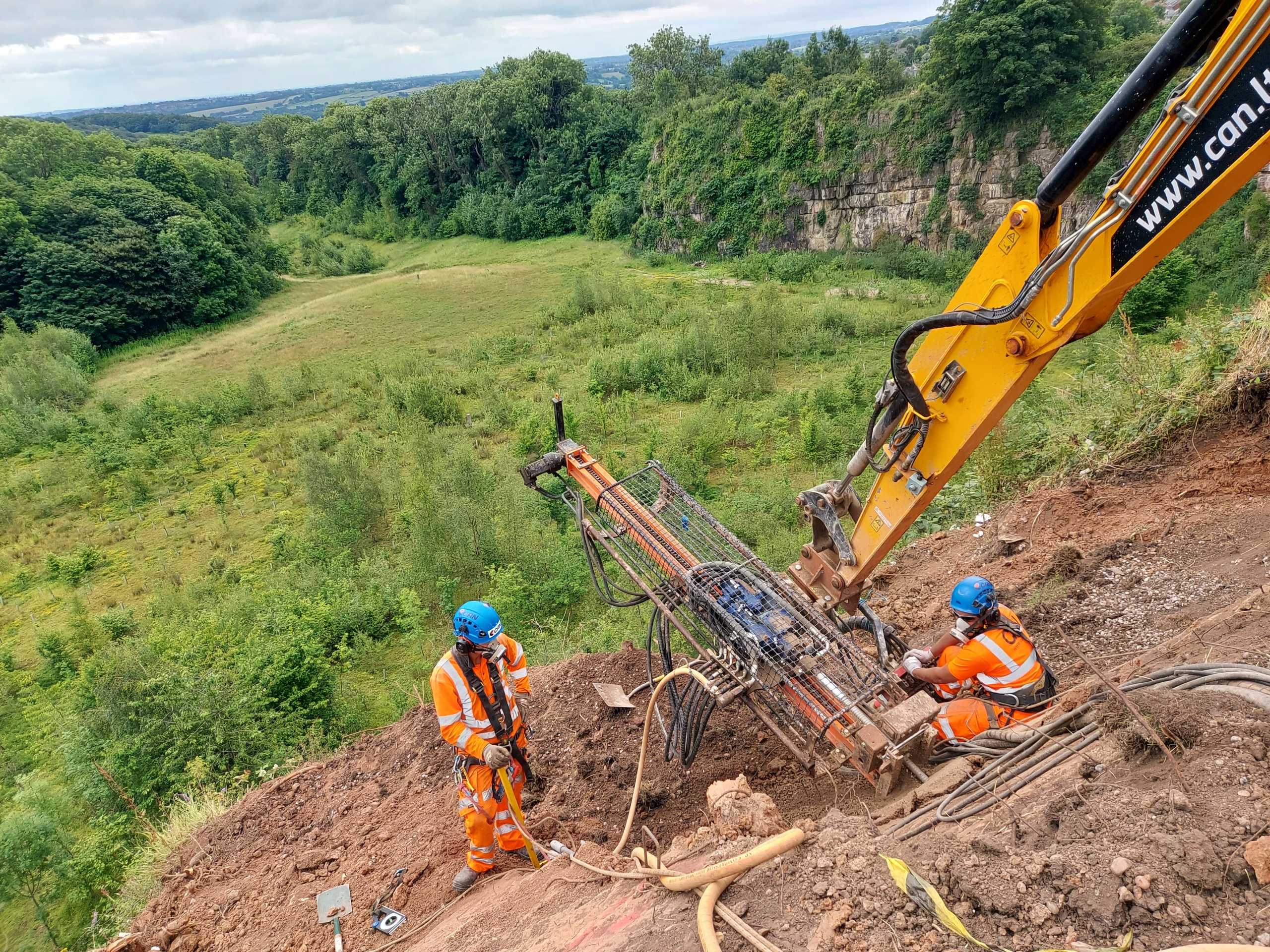
Depending on site conditions, soil nailing schemes may also incorporate additional stabilisation and drainage measures, such as:
- Inclined drilled drains
- Counterfort drainage systems
- Crest‑line cut‑off ditches
- French drains
While flexible facings are most common, some projects require rigid facing systems, such as sprayed concrete or stone‑filled basket systems. Each site is assessed on its own merits, with solutions tailored to achieve the most effective and durable outcome.
Whatever solution is needed – we can deliver.
Case Studies
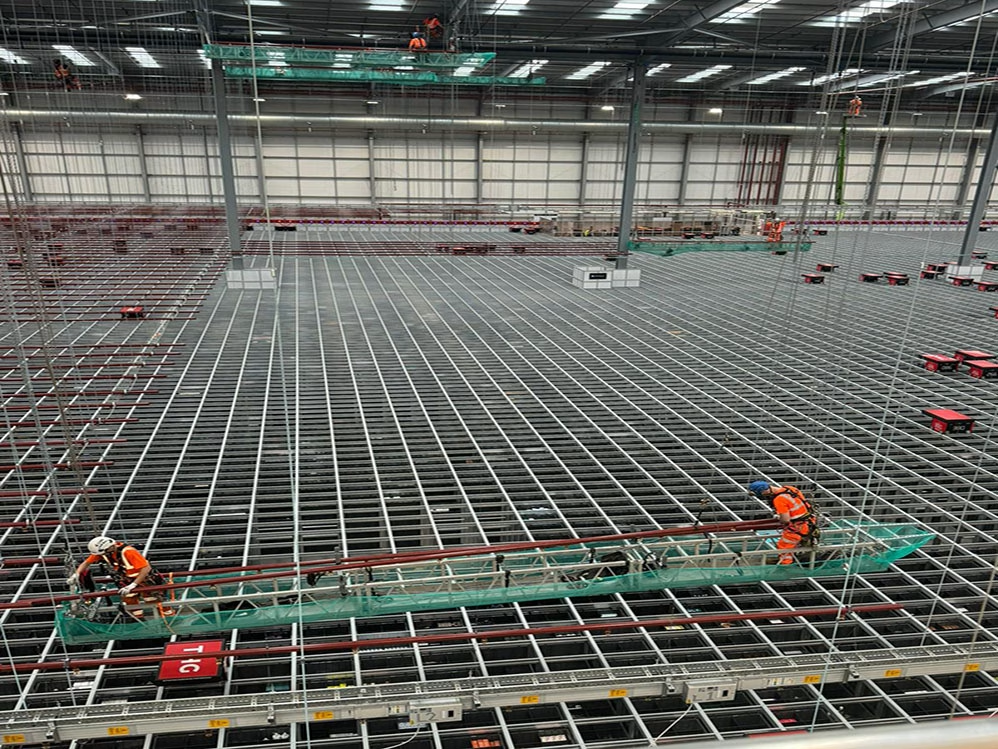
ICON 2 – Sprinkler System
CAN Structures was contracted to install a supplementary sprinkler system to 19,600sqm of ceiling above an operational automated retrieval system…
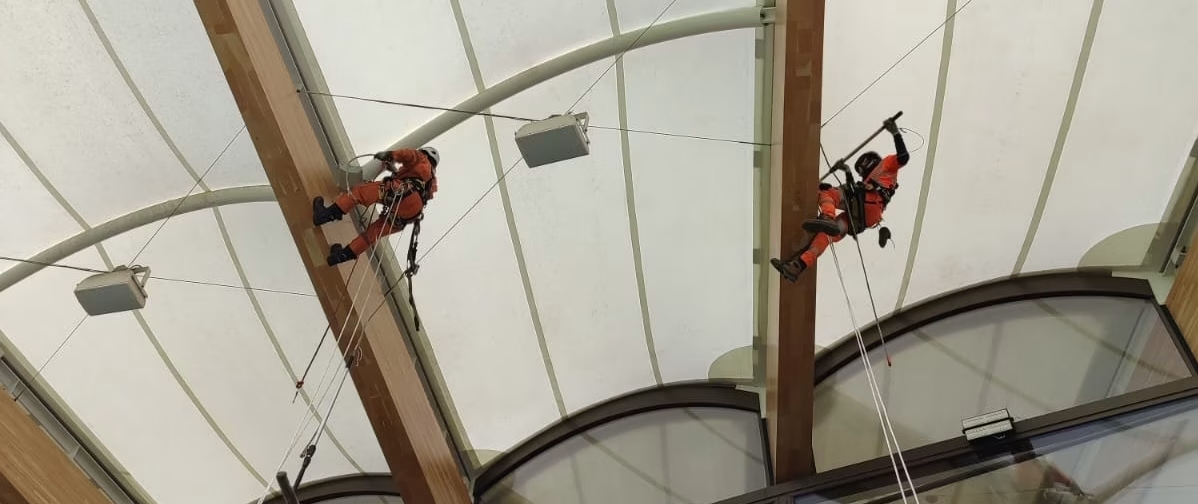
Specialist clean-up crew gets bird’s-eye view of Lord’s Cricket Ground
Client: Lord’s Cricket Ground Location: London Duration: 1 Week Rope access specialists from CAN, an RSK company, have been…
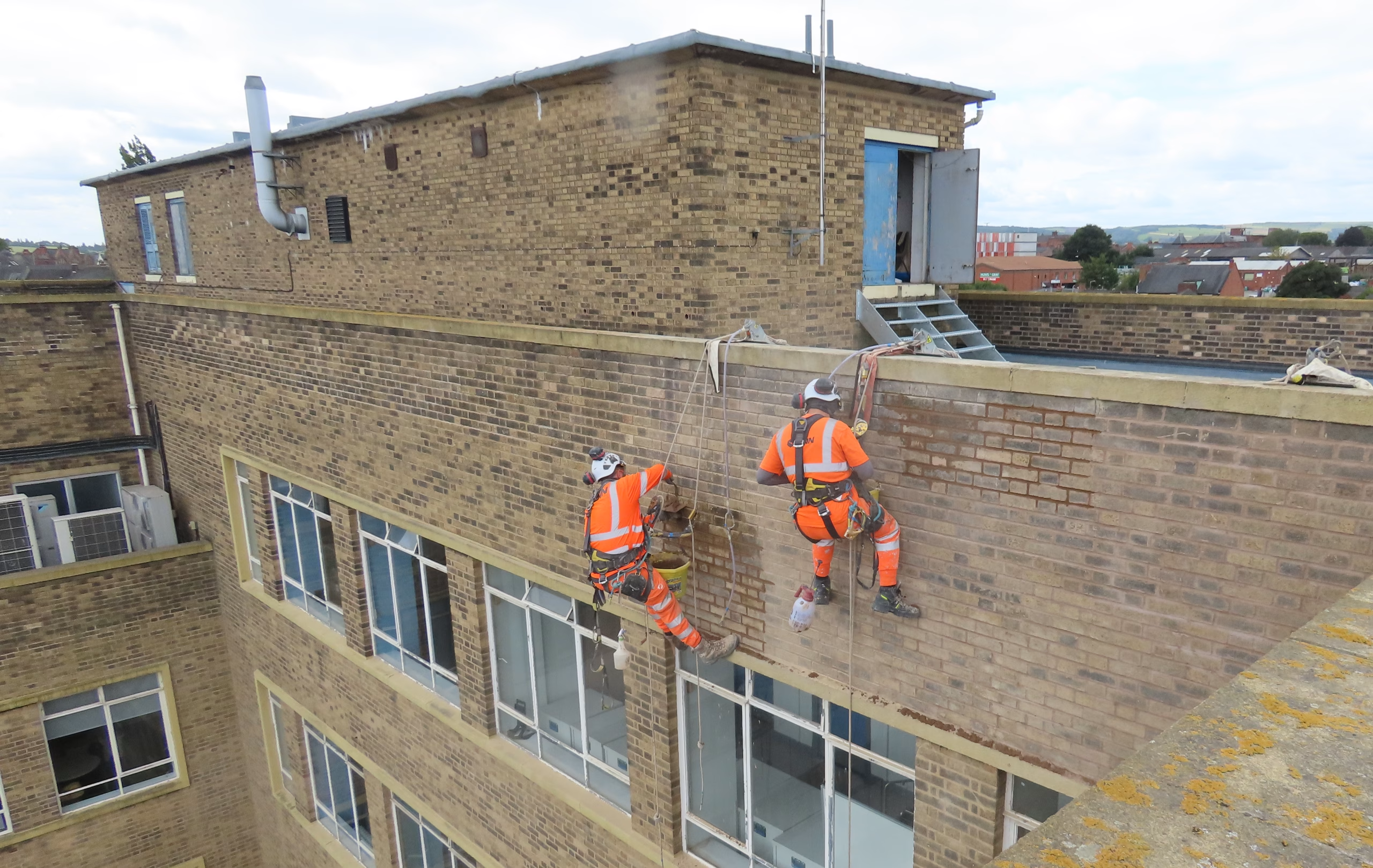
Chesterfield College – Repointing
CAN Structures was instructed with the cleaning, by biocide application, and remedial repointing of 200sqm of brick parapet wall at Chesterfield…