Rock Faces
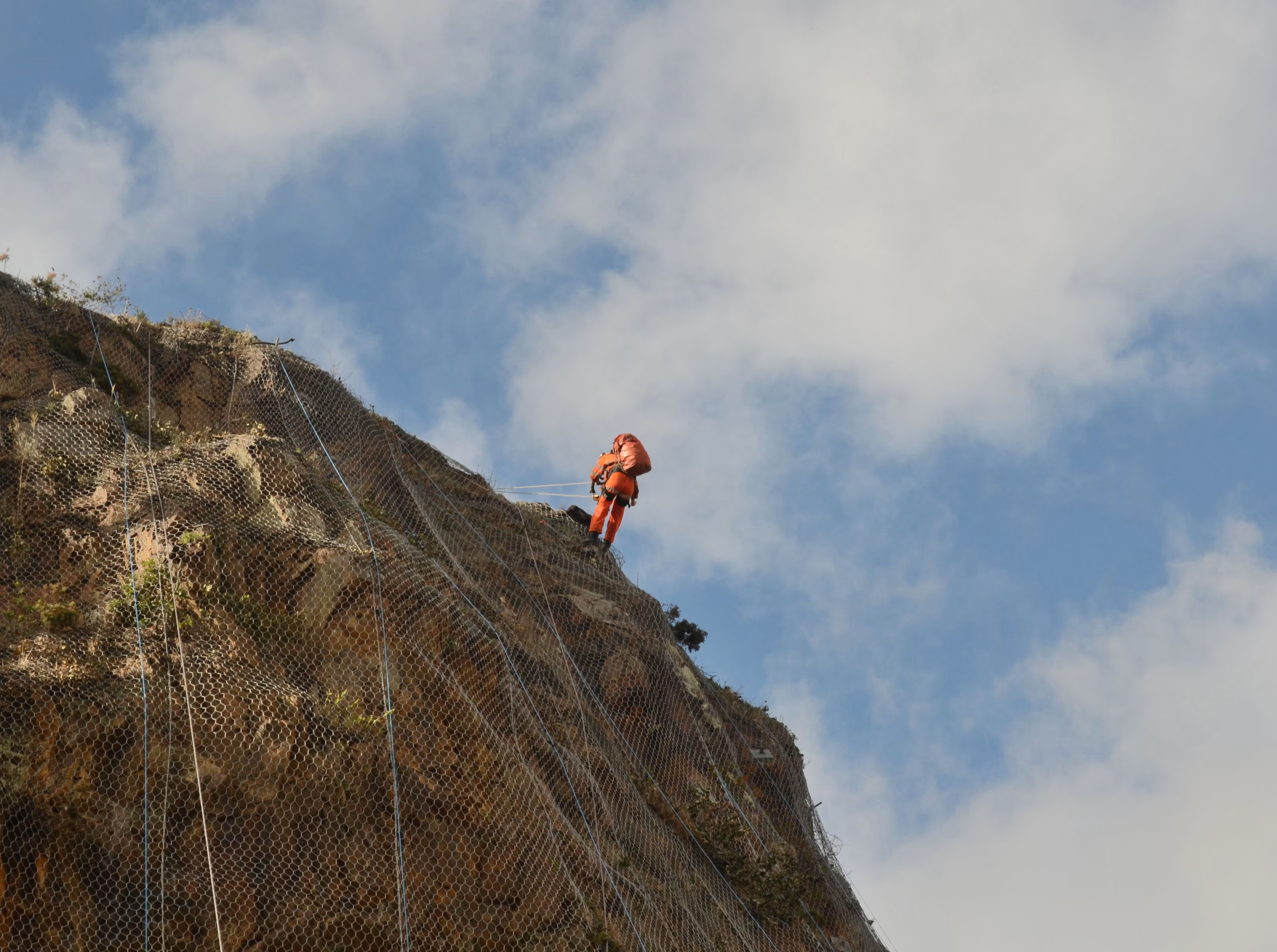
Rock face stabilisation and rockfall protection systems keep people and infrastructure safe.
If not properly managed, unstable rock faces can deteriorate rapidly, creating hazardous conditions and, in extreme cases, emergency situations with little warning. Proactive measures such as targeted rock removal or containment are essential for reducing risk and can be critical in protecting lives and infrastructure.
The removal of loose or unstable rock and large blocks from cliff faces is commonly used as a short‑term mitigation measure where immediate stability concerns exist. In addition, regular rock scaling can provide a cost‑effective and practical means of managing ongoing rockfall risk from slopes and rock faces.
CAN Geotechnical can mobilise at short notice to inspect unstable rock faces and safely remove debris that presents an immediate threat to people, property, or infrastructure, helping to stabilise conditions while longer‑term solutions are developed.
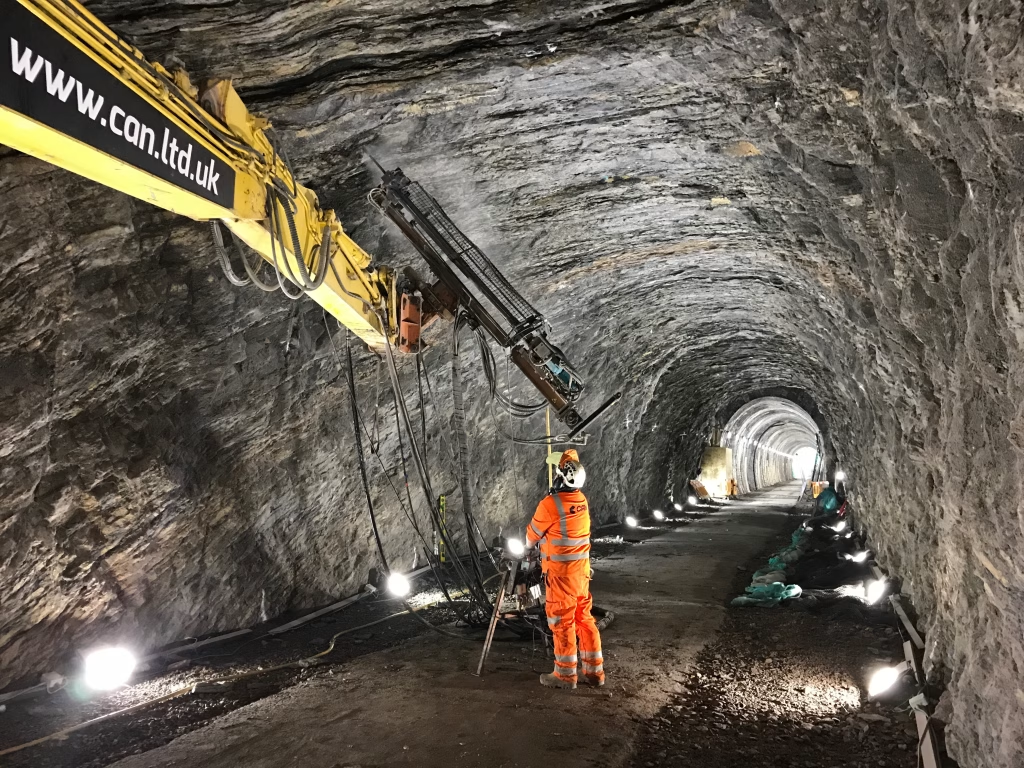
Re-profiling & Rock Removal Methods
- Jacking
- Percussive breakers
- Plug and feather
- Expansive grouts
- Pyrotechnics and explosives.
The methods adopted are selected to suit the specific requirements of each project, taking into account factors such as location, rock mass characteristics, ground conditions, and site constraints.
This approach enables the most appropriate technique to be implemented to address immediate stability concerns, while also considering and managing the risk of longer‑term instability.
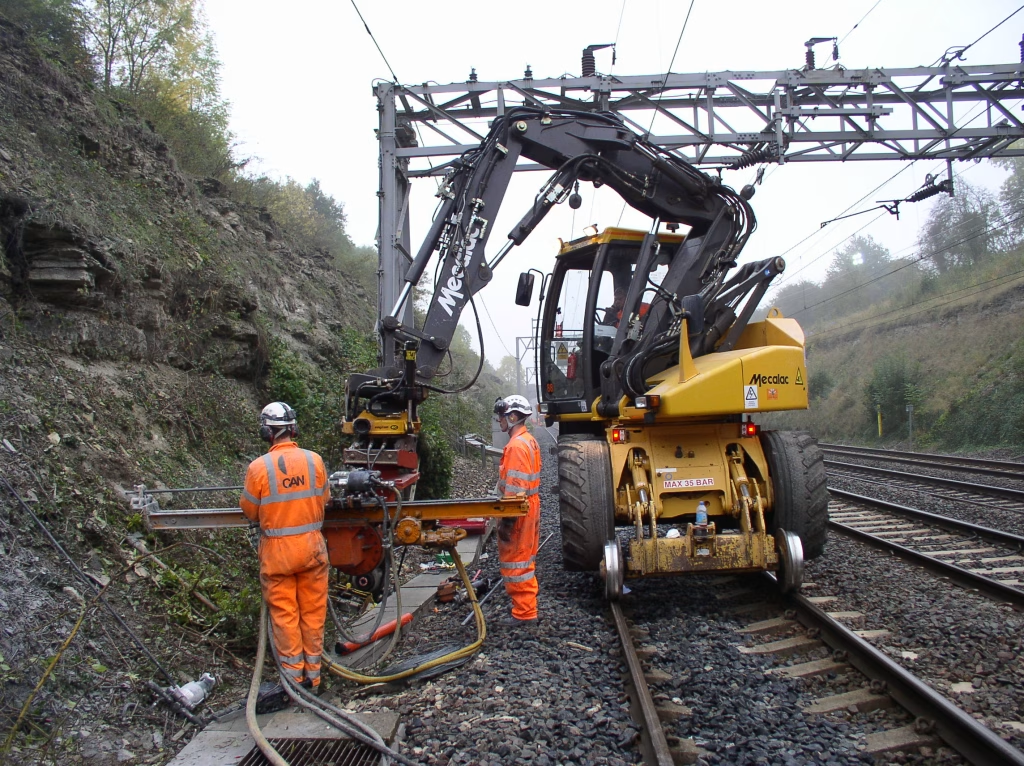
Where large or unstable rock blocks pose a risk to people, property, or critical infrastructure, a temporary restraint system may be installed to stabilise the rock mass.
This approach enables controlled breakout of the rock in situ and the safe, managed lowering of smaller debris, reducing the risk associated with uncontrolled collapse.
Due to the inherently unpredictable behaviour of rock masses once movement occurs, all work must be carried out with a clear understanding of the potential to induce further instability if not properly managed. Careful planning, appropriate restraint, and controlled working methods are therefore critical.
CAN’s Geotechnical contractors are highly skilled and experienced, working under the direct supervision of personnel with many years of specialist expertise in rock stabilisation and geotechnical risk management. This ensures that all operations are executed to the highest safety standards, minimising risk during construction and delivering a robust outcome.
In doing so, this approach provides maximum long‑term benefit to the client, addressing immediate hazards while supporting safer, more sustainable management of the site going forward.
Inspection, Design & Build
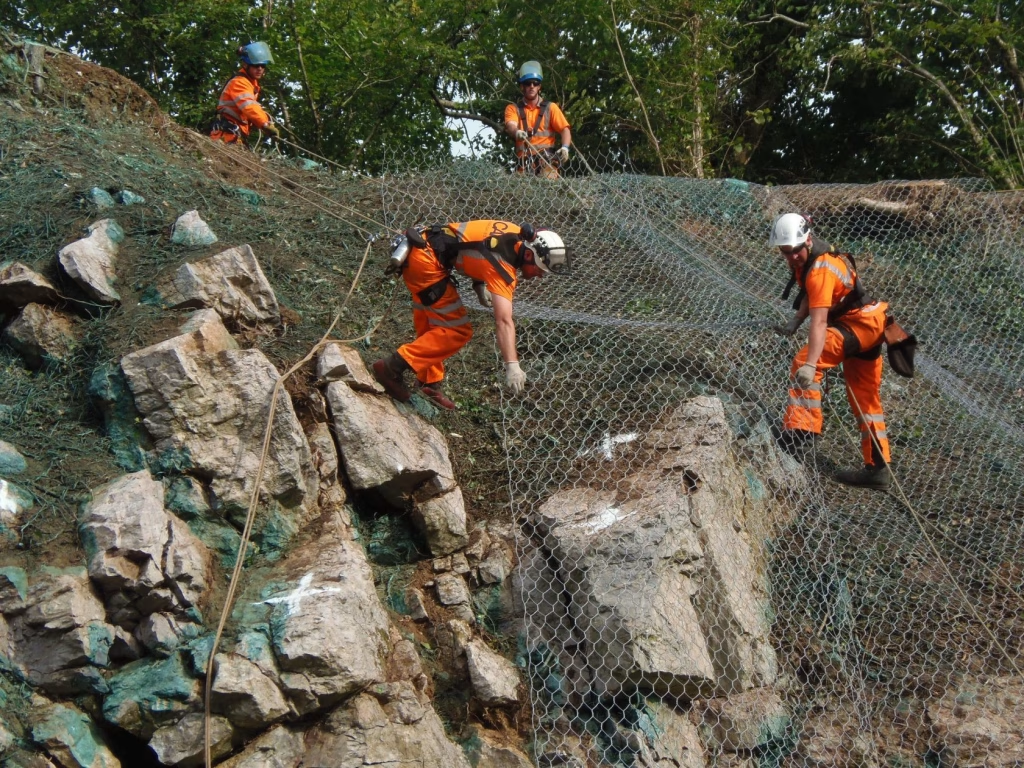
From initial condition assessment through to installation, we manage the full lifecycle of rock face stabilisation works. Our team identifies geotechnical risk, develops practical and proportionate solutions, and delivers them safely in complex and difficult‑to‑access environments, ensuring works are undertaken efficiently and responsibly.
Catch Fences
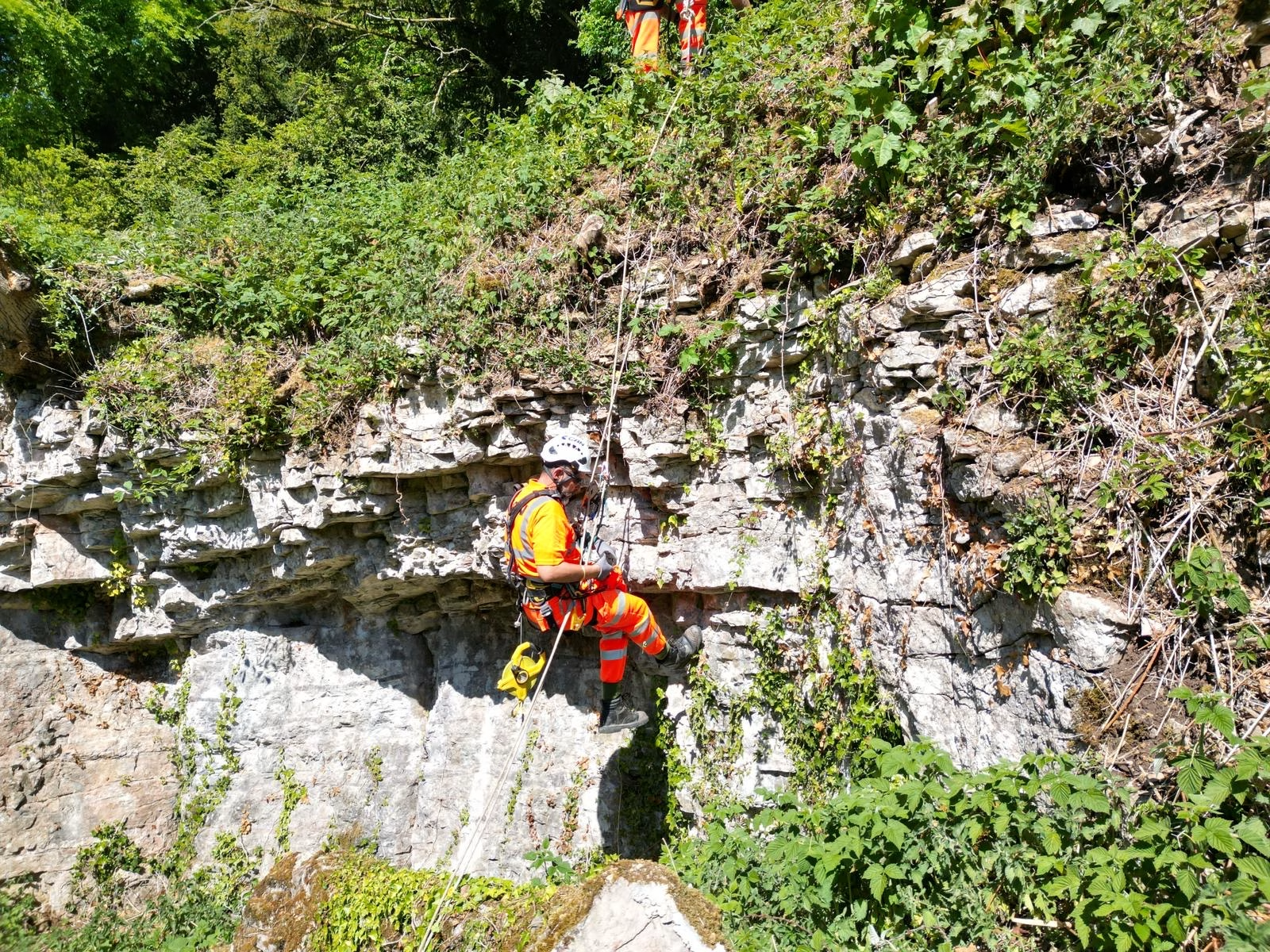
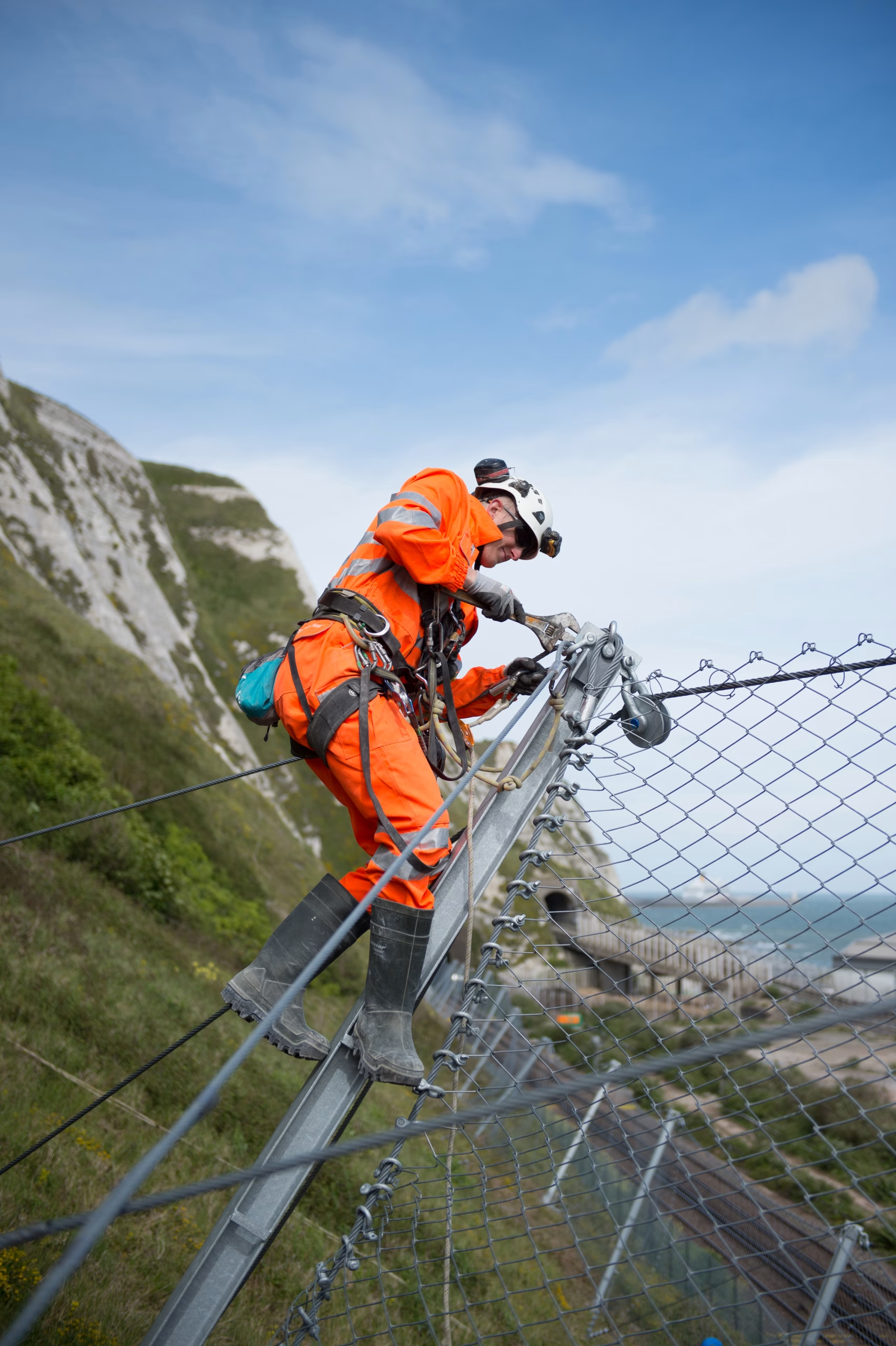
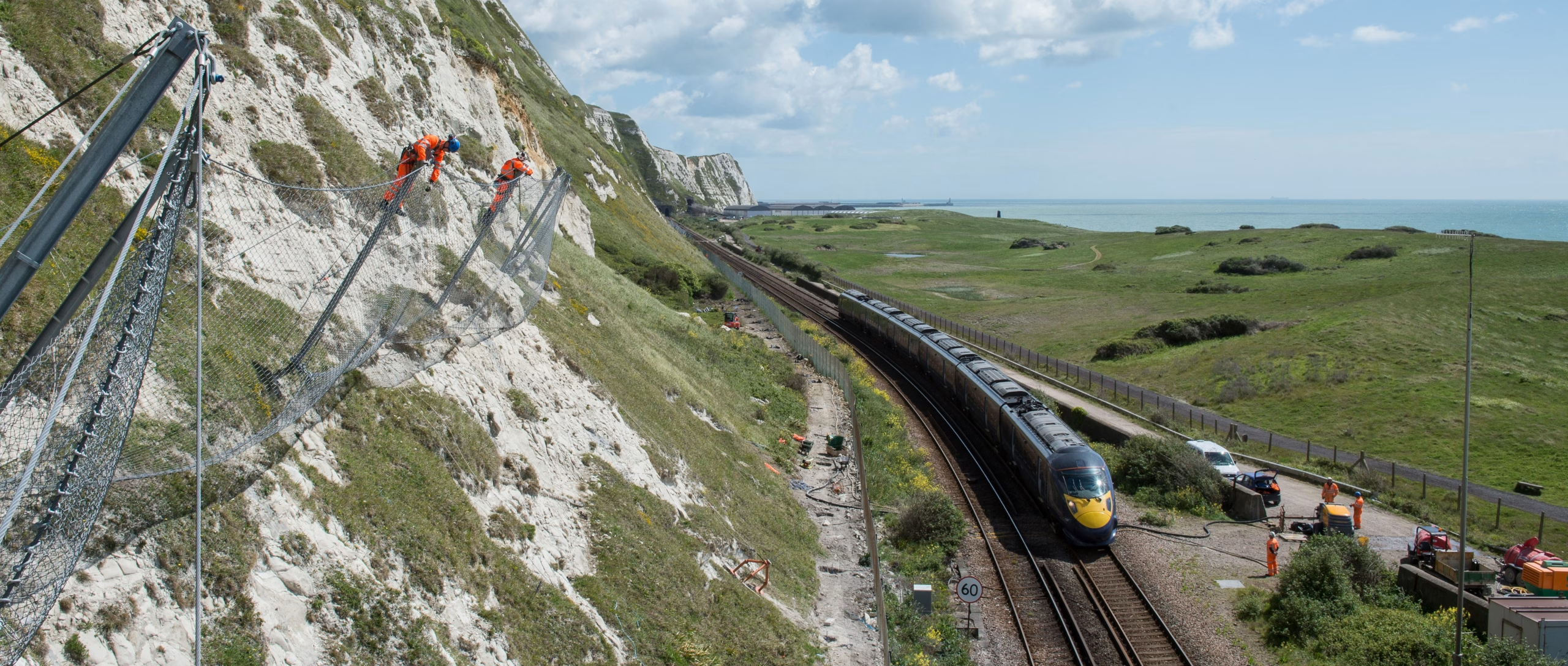
We design and install high‑performance rockfall catch fence systems engineered to intercept and contain falling debris before it reaches infrastructure, assets, or public areas. Systems are selected to suit site‑specific hazard profiles and performance requirements.
Rockfall Bolting & Netting
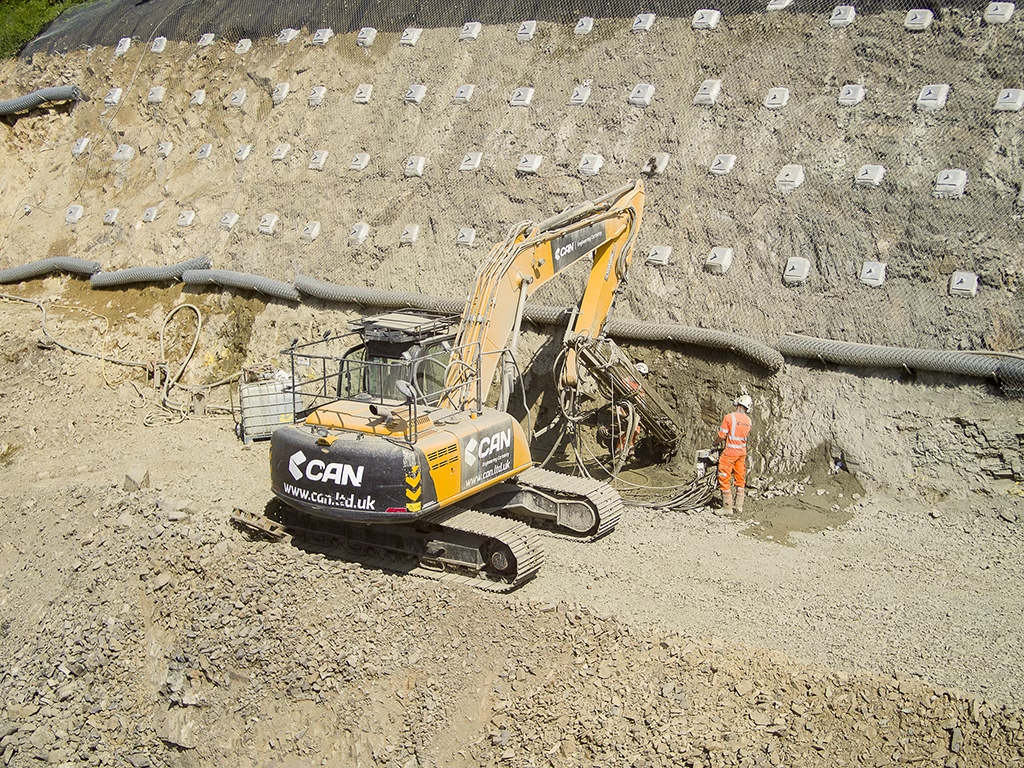
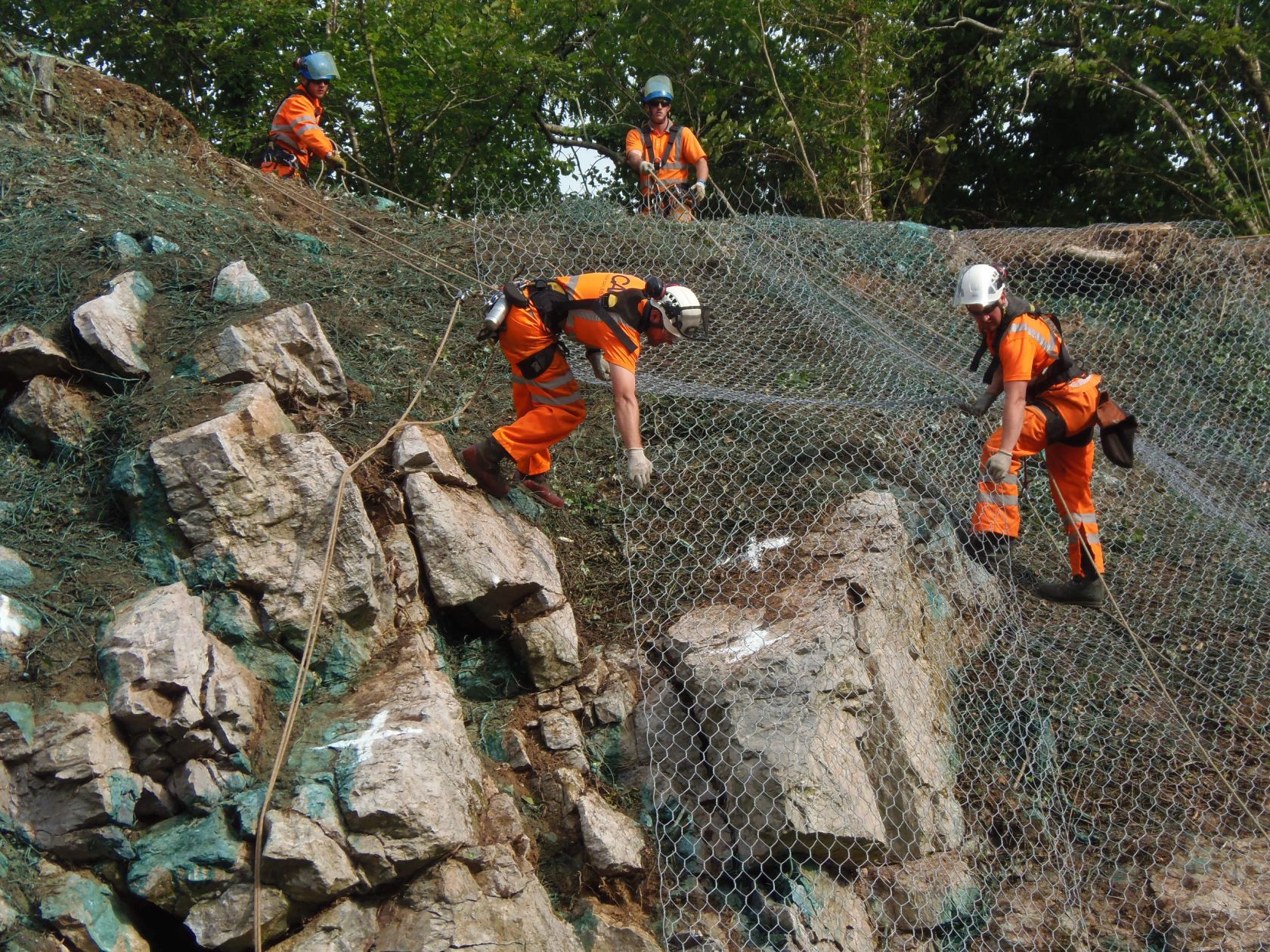
Combining active stabilisation and surface containment, we install rock bolts and protective netting systems to secure unstable rock faces and control loose material, reducing the likelihood of uncontrolled failure while maintaining long‑term slope stability.
Anchors
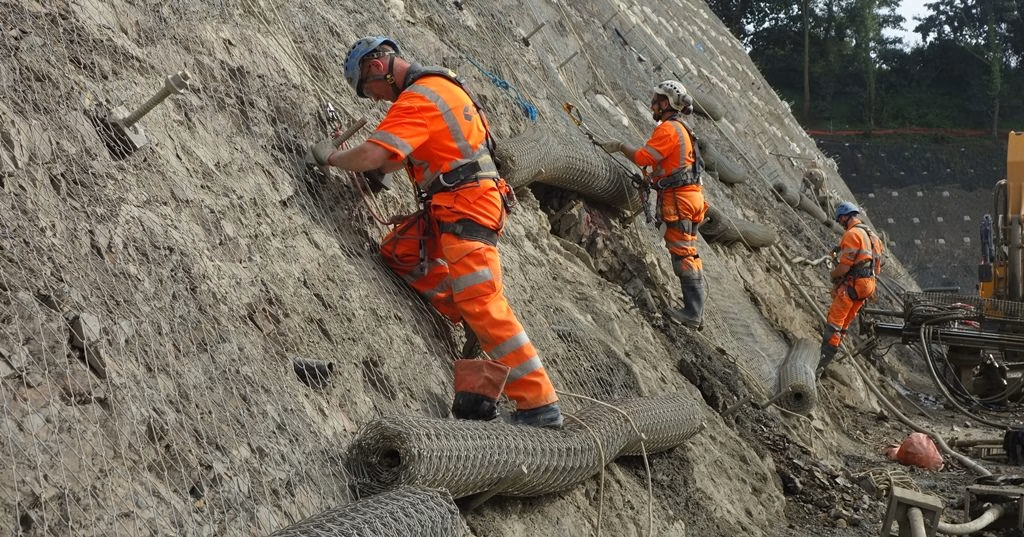
Our anchor systems provide critical reinforcement for unstable ground masses and structural elements, transferring load into competent ground to improve overall stability and performance in both temporary and permanent applications.
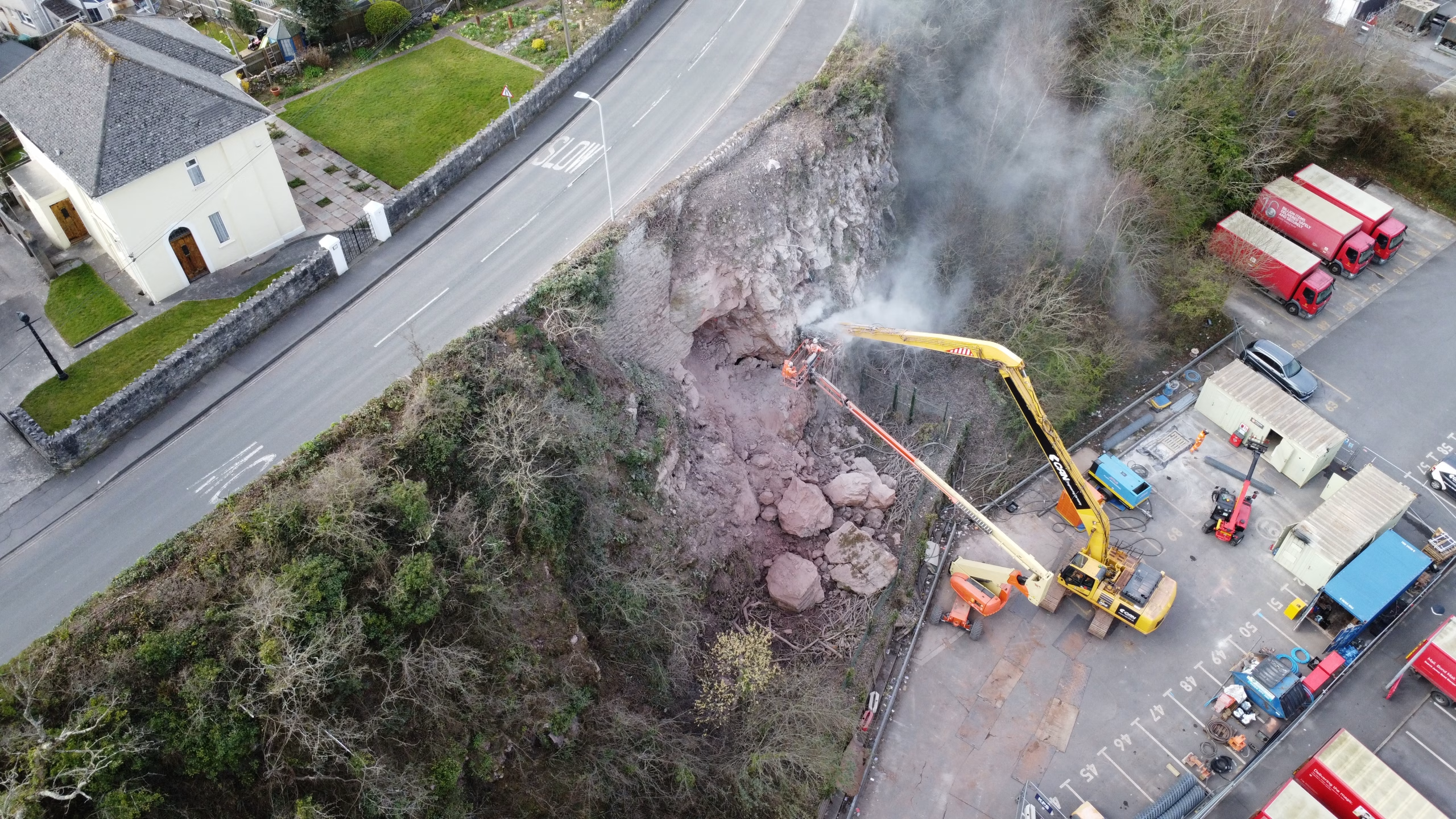
Rock Removal
Where instability presents an immediate risk, we undertake controlled rock removal using specialist access and handling techniques. This ensures hazards are eliminated quickly, safely, and with minimal disruption, while maintaining control of the rock mass throughout the operation.
Void Filling & Grouting
We stabilise weakened, fractured, or deteriorated rock by filling voids and discontinuities with engineered grout solutions. This process improves rock mass integrity, limits water ingress, and helps prevent further degradation or progressive failure.
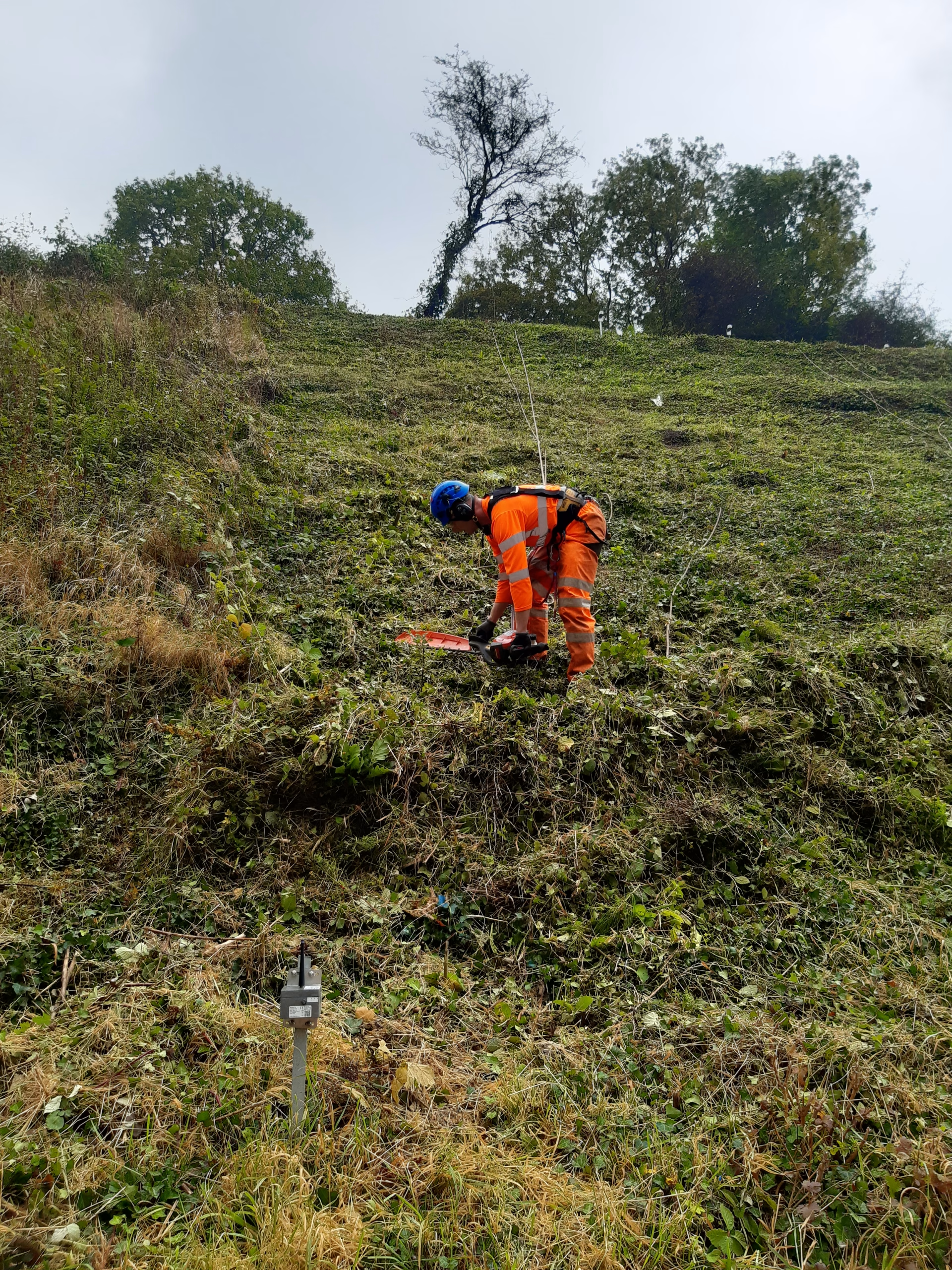
Devegetation
We remove vegetation that may contribute to rock face instability or obscure inspection. This improves visibility for assessment, reduces root‑driven movement, and supports the long‑term effectiveness of stabilisation and protection measures.
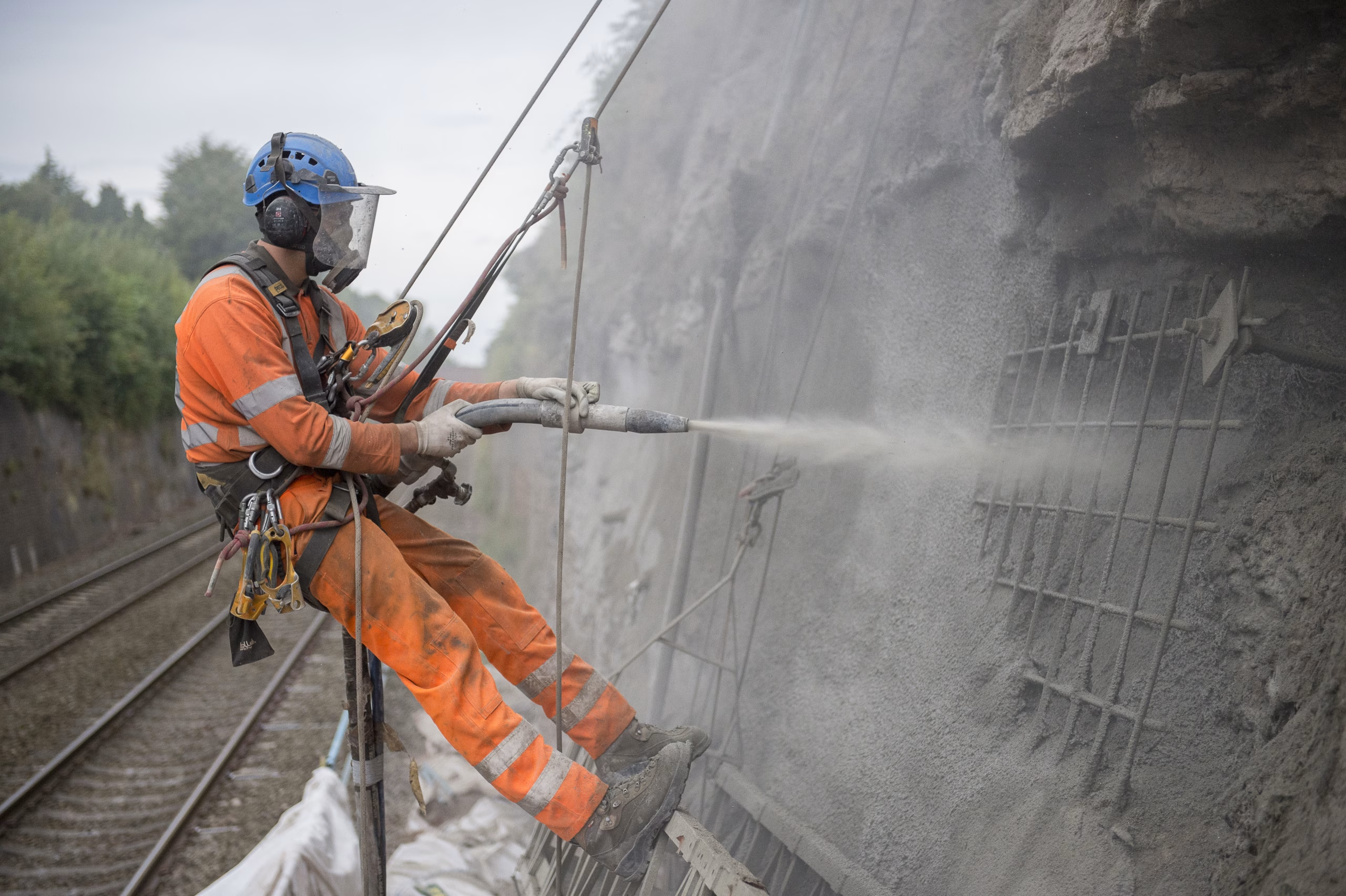
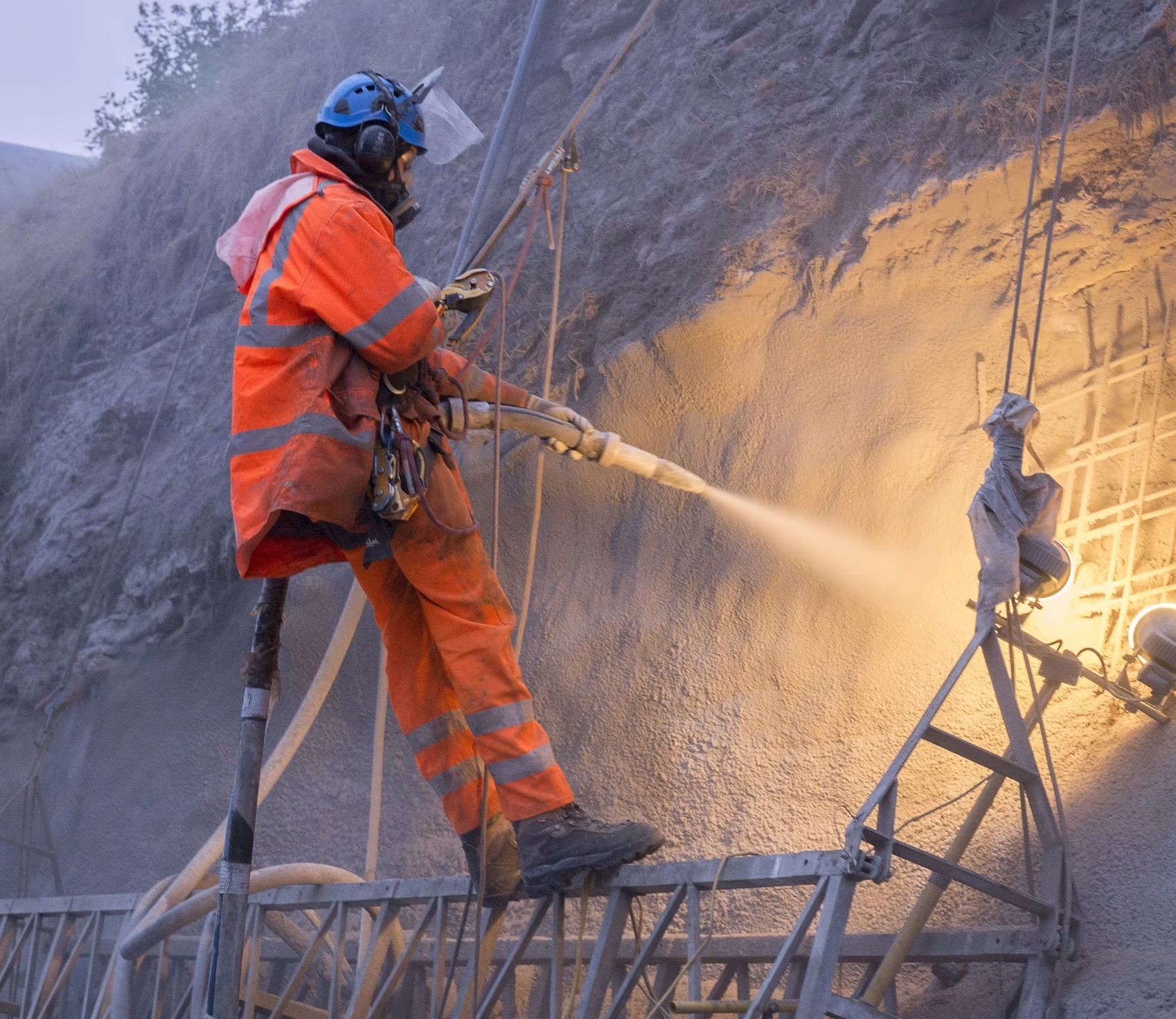
Sprayed Concrete
Dry and wet sprayed concrete – shotcrete – is used in conjunction with other stabilisation methods to improve safety and decrease rockfall.
Case Studies
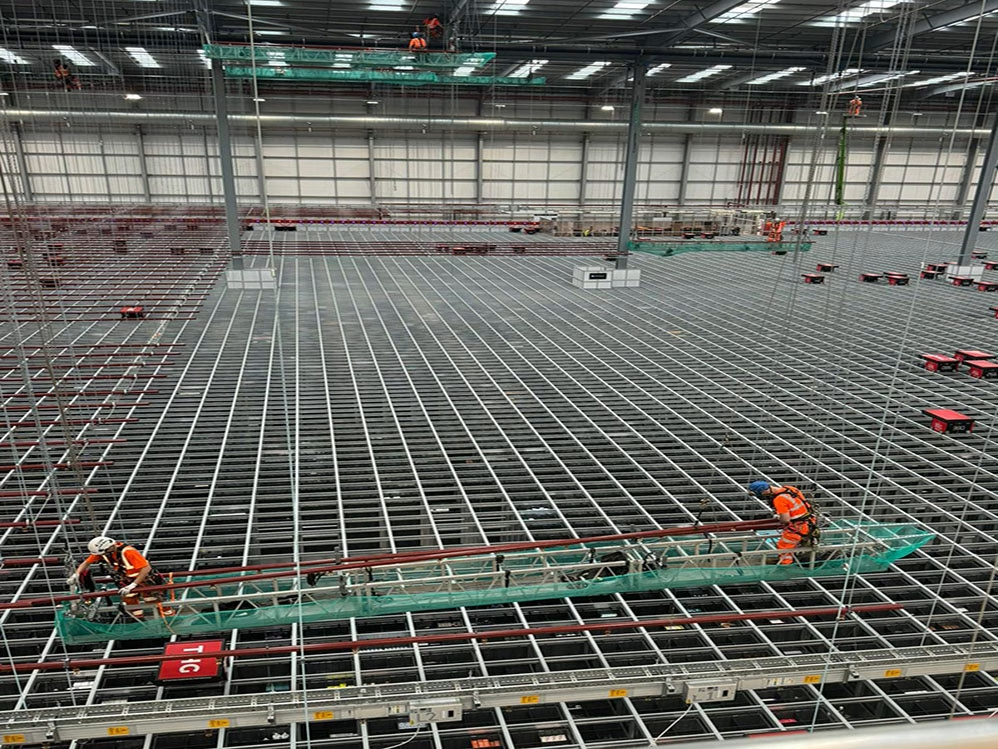
ICON 2 – Sprinkler System
CAN Structures was contracted to install a supplementary sprinkler system to 19,600sqm of ceiling above an operational automated retrieval system…
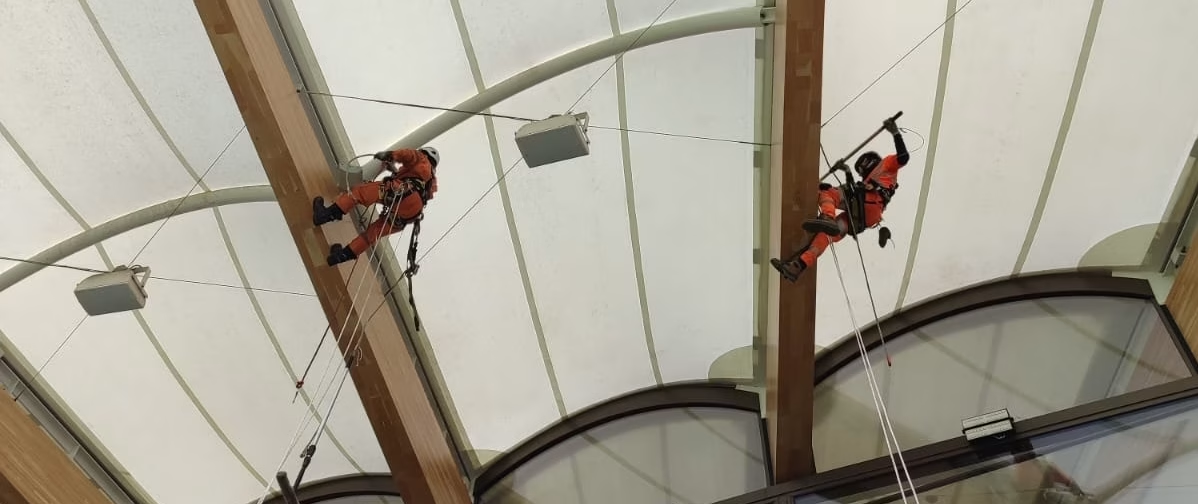
Specialist clean-up crew gets bird’s-eye view of Lord’s Cricket Ground
Client: Lord’s Cricket Ground Location: London Duration: 1 Week Rope access specialists from CAN, an RSK company, have been…
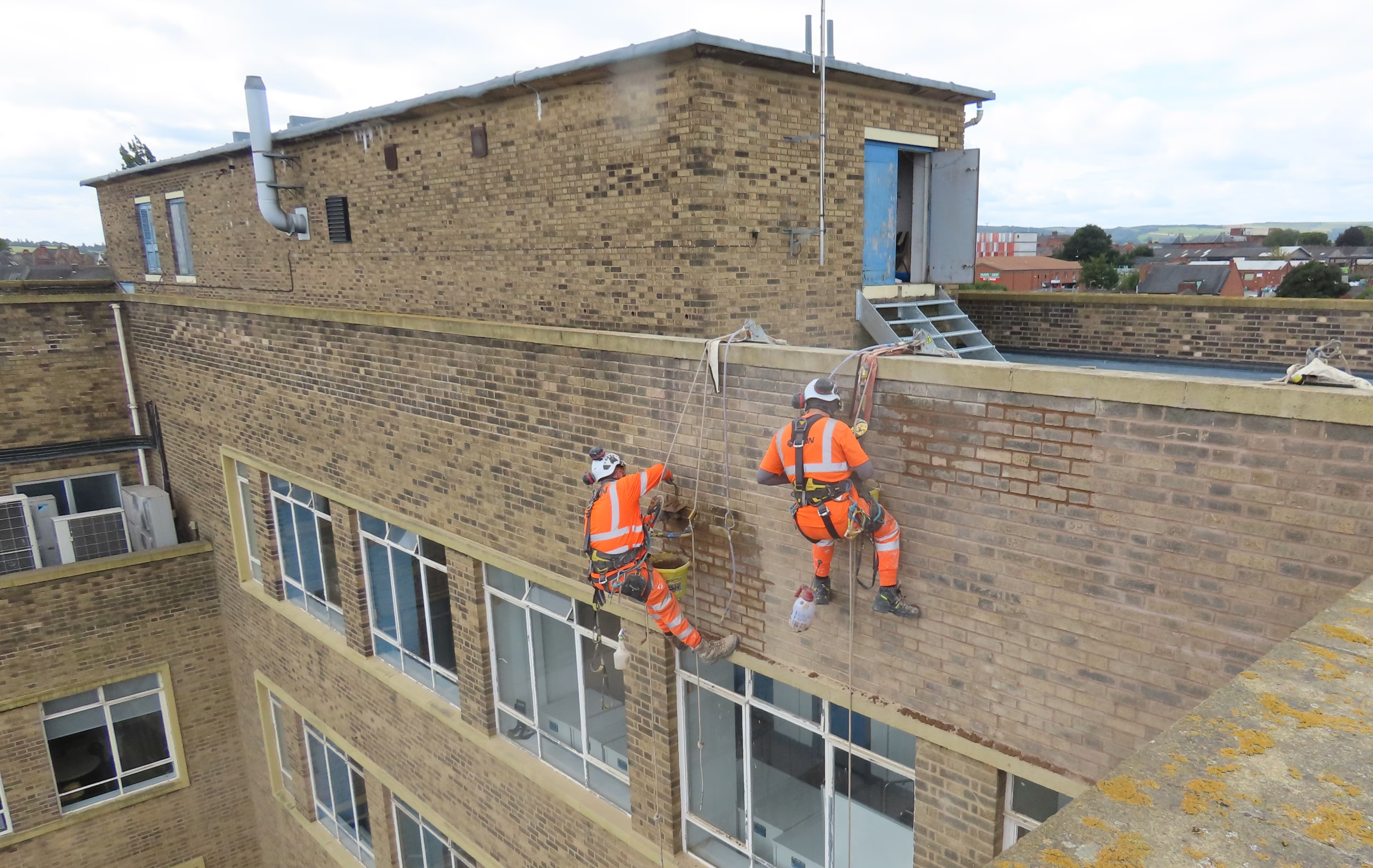
Chesterfield College – Repointing
CAN Structures was instructed with the cleaning, by biocide application, and remedial repointing of 200sqm of brick parapet wall at Chesterfield…
Trusted by 1200+ companies around the world